
With major domestic sedan manufacturers organizing crash tests one after another, vehicle safety has once again become a hot topic for consumers. ABS, airbags, and safety cell structures have become fashionable buzzwords, and it seems that only cars equipped with these features are considered “high-end.”
In fact, when a traffic accident occurs, the device that plays the most important role in protecting people is the most common safety device of all—the car seat belt retractor. A car seat belt can extend and retract. When the belt is not locked, your body can lean forward easily. But in a collision, the belt suddenly tightens and holds you firmly in place.
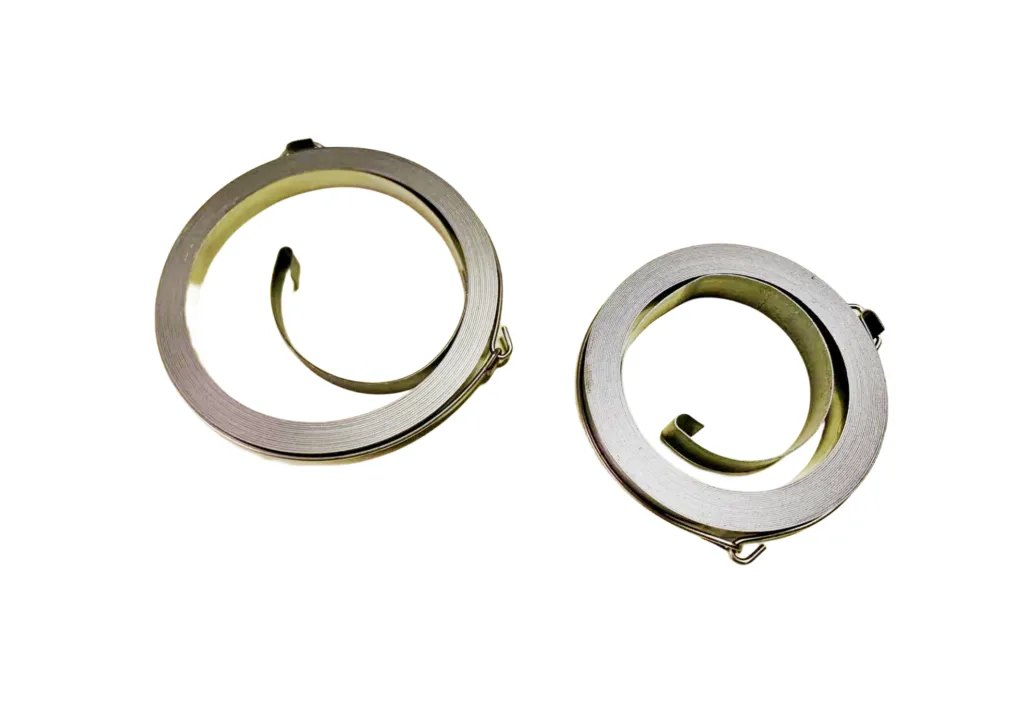
In a typical seat belt system, the belt is connected to a retractor. The core component inside the retractor is a spool, which is connected to one end of the webbing. Inside the retractor, the force of a spiral spring allows the webbing to extend and retract freely as the occupant moves, while preventing slack.
However, during emergency braking, a collision, or a sudden change in the vehicle’s driving state, a sensitive component inside the retractor activates the locking mechanism, which locks the spool. This fixes the webbing at a certain position and enables it to withstand the load applied by the occupant’s body.
Contact: Hou Jianxiang
Mobile: +86 138 2878 7738
Landline: 0755-23491654