Industries We Serve
Powering Diverse Industries with Precision Spring Solutions
Review return torque, reel geometry, cable pull force and cycle…
Review force, wear travel, installation, environment and sample testing for…
Review motion, installation, environment and component testing for strip springs…
Vehicle Retraction Mechanisms
Strip springs can provide return or retraction torque in vehicle mechanisms, including seat-belt rewind assemblies. A spring must be evaluated within the complete mechanism: torque, working turns, mounting, durability and system safety requirements all matter. Review the power spring design guide for the inputs needed to discuss a retraction application.
What to Specify
Define the operating requirements before choosing a spring.
Load and Travel
Specify force or torque at defined positions, together with the required travel or working turns.
Installation Space
Provide housing, arbor, mounting and clearance dimensions for the mechanism.
Operating Environment
Describe temperature, moisture, corrosion exposure and any cleaning conditions.
Verification Criteria
Agree sample test methods, load limits and cycle-life acceptance criteria.
Discuss Your Spring Application
These application examples identify design considerations, rather than verified customer installations.
Medical Device Mechanisms
Define motion, cleaning exposure and the system validation requirements for return or balancing mechanisms.
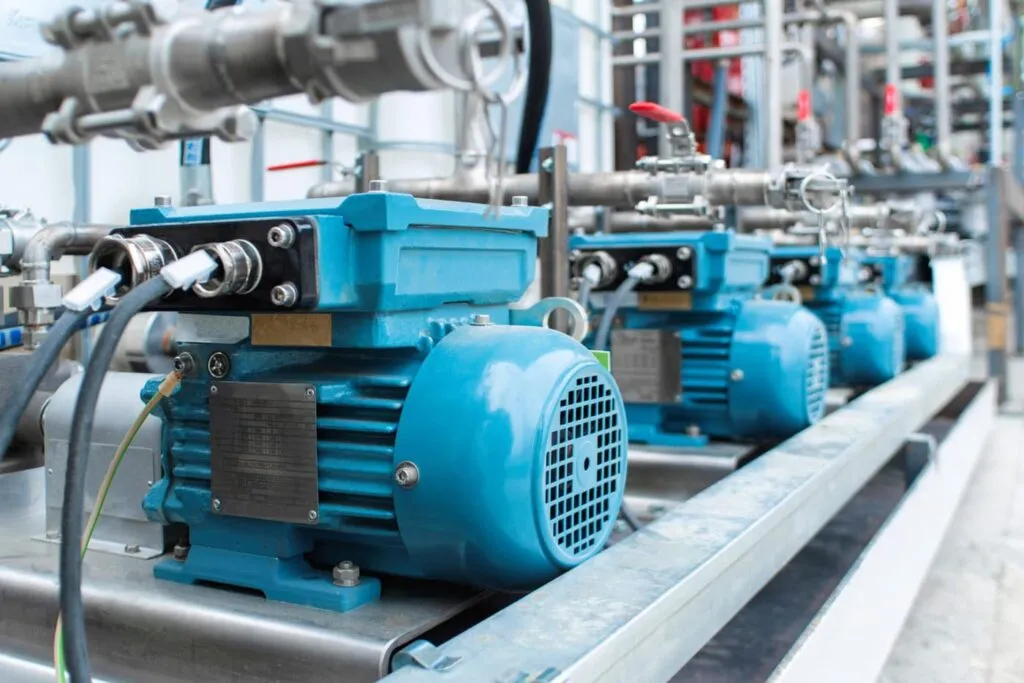
Electric Motor Components
Review load, electrical interfaces, clearances and the surrounding assembly with the engineering team.
Cable Retraction
Specify cable length, reel geometry, return force and the safe retraction speed of the complete system.
Industrial Counterbalance
Record the moving mass, travel, friction and end stops before selecting a force profile.
Engineering Inputs for a Spring Application
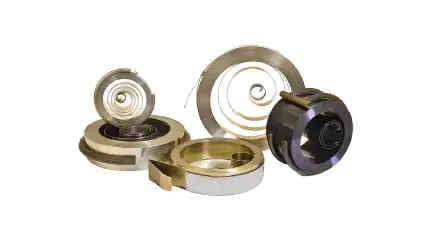
Select a spring by the required motion and force profile. Constant force springs can support guided linear motion; constant torque springs address rotary torque profiles; power springs store rotational energy for return and retraction.
- Define force or torque at agreed travel positions or angles.
- Provide mounting, housing, arbor and clearance dimensions.
- Describe duty cycle, temperature, corrosion and cleaning exposure.
- Agree sample test methods, acceptance limits and required cycle life.
Application examples illustrate design considerations. They do not establish approval for a regulated device or safety system. Discuss your application with Leading Spring and evaluate the spring in the complete mechanism.