
A sealed service door can need different effort before and after its seal begins to separate. Spring assistance acts alongside pressure-related loads, seal contact and latch behavior. Describing the door by weight alone misses those contributions.

Define the permitted opening state
The equipment designer must establish the pressure condition and approved sequence for opening. A spring should not be used to overcome an unresolved pressure load or to bypass the required release procedure.
Show the seal, latch, hinge and spring attachment. Identify where the operator applies effort. Seal compression and initial separation may influence the first part of movement differently from the later opening stroke.
Evaluate the phases separately
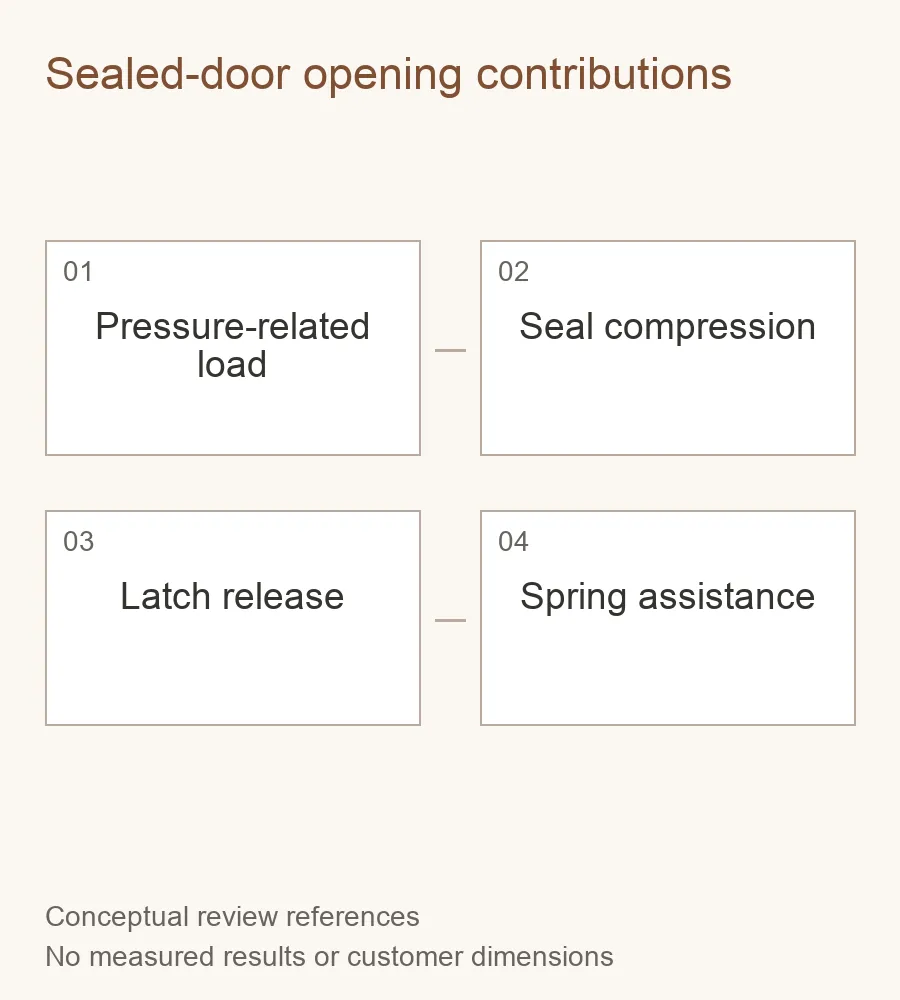
Record latch release, seal separation and free opening against a common position reference. If effort changes after seal replacement, retain the seal identity and installation condition before attributing the difference to the spring.
Check closing and reseating as their own functions. An assist that improves opening can increase the effort needed to compress the seal or reach the latch's accepted state.
The enquiry should provide the spring's intended contribution after the equipment's pressure and sealing requirements are defined. A component force measurement does not establish gas tightness, safe opening or system containment. Keeping those approvals separate makes the spring requirement clearer and the resulting evidence easier to use.
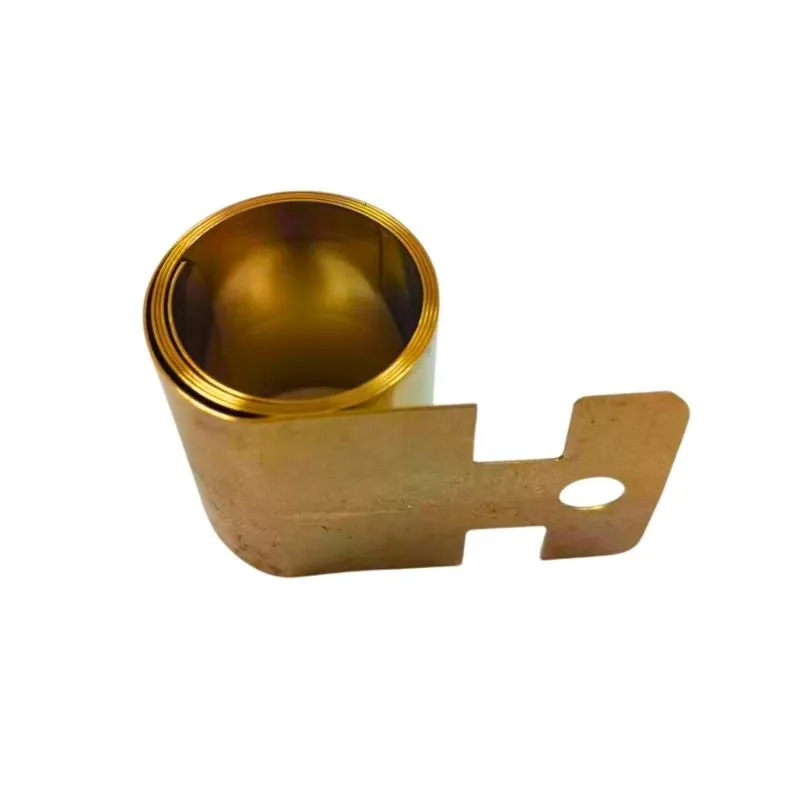
For the broader background, read Spring Return Changes After Housing Tightening.
Explore related spring information or discuss this mechanism with a non-confidential description.