
A mirrored CAD assembly does not prove that the same spring module can be fitted on both sides of a furniture mechanism. A geometric reflection and a physical rotation are different operations. End features, winding direction and access can therefore need separate decisions.
Compare the two installed frames
Label the left and right assemblies using a shared product viewpoint. Show each pivot, spring connection and required output direction in that frame. Avoid assigning clockwise from opposite viewing sides and then assuming the two arrows mean the same thing.
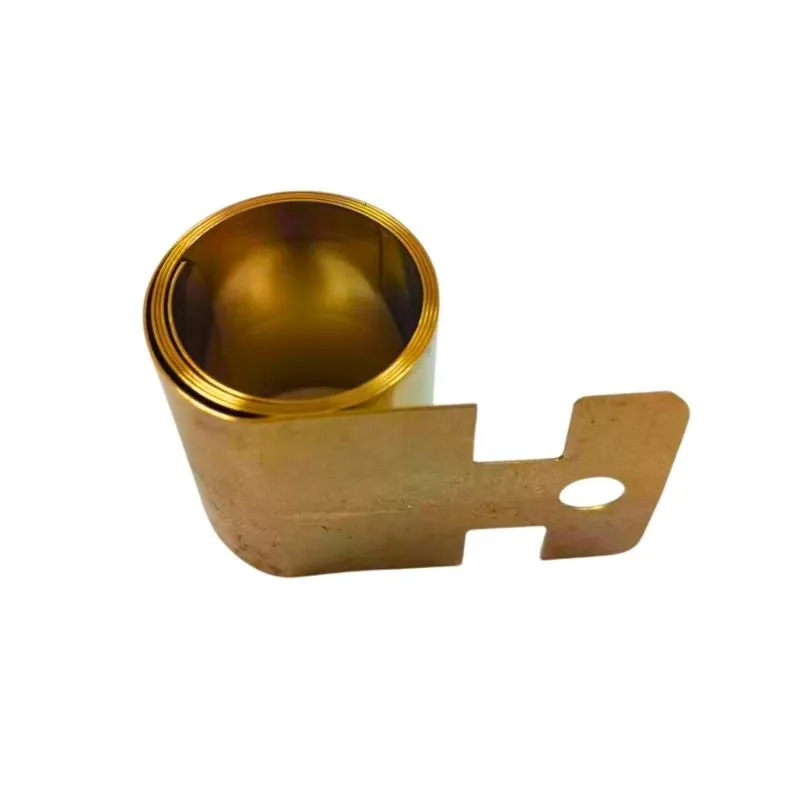
Check the actual mating features. A flat attachment with a stepped end or an offset opening may not reach the same relationship after the part is turned over. The fact that nominal output is suitable does not settle fit or handing.
Decide what is common and what is handed
Identify whether the design uses one approved module in two orientations, two handed modules or different surrounding brackets. Keep that choice in the assembly bill of materials and installation references.
Review clearance and permitted rotation for both installed arrangements. Do not reverse-wind or alter a supplied spring to make a mirrored layout appear to work; the module's approved operating arrangement remains controlling.
The enquiry can share two simplified installed views with a common frame. This is more useful than sending one view and adding mirror for the other side. Approval should identify the actual left and right configurations rather than silently applying a test of one assembly to its reflected drawing.

For the broader background, read Power Spring Assembly Without Reverse Winding.
Explore related spring information or discuss this mechanism with a non-confidential description.