
A sample drawer can return fully while still failing to locate a sample where the instrument expects it. The spring supplies motion toward the closed position; the guide and locating features determine the final geometric relationship.

Identify the locating surfaces
Show the hard stop, drawer datum and sample carrier reference. State which surfaces are intended to contact at the accepted position. A cover edge that looks flush may not be the instrument's alignment datum.
Record whether the sample holder can move within the drawer. A correctly located drawer does not automatically locate a loose or differently assembled holder.
Separate arrival from seating
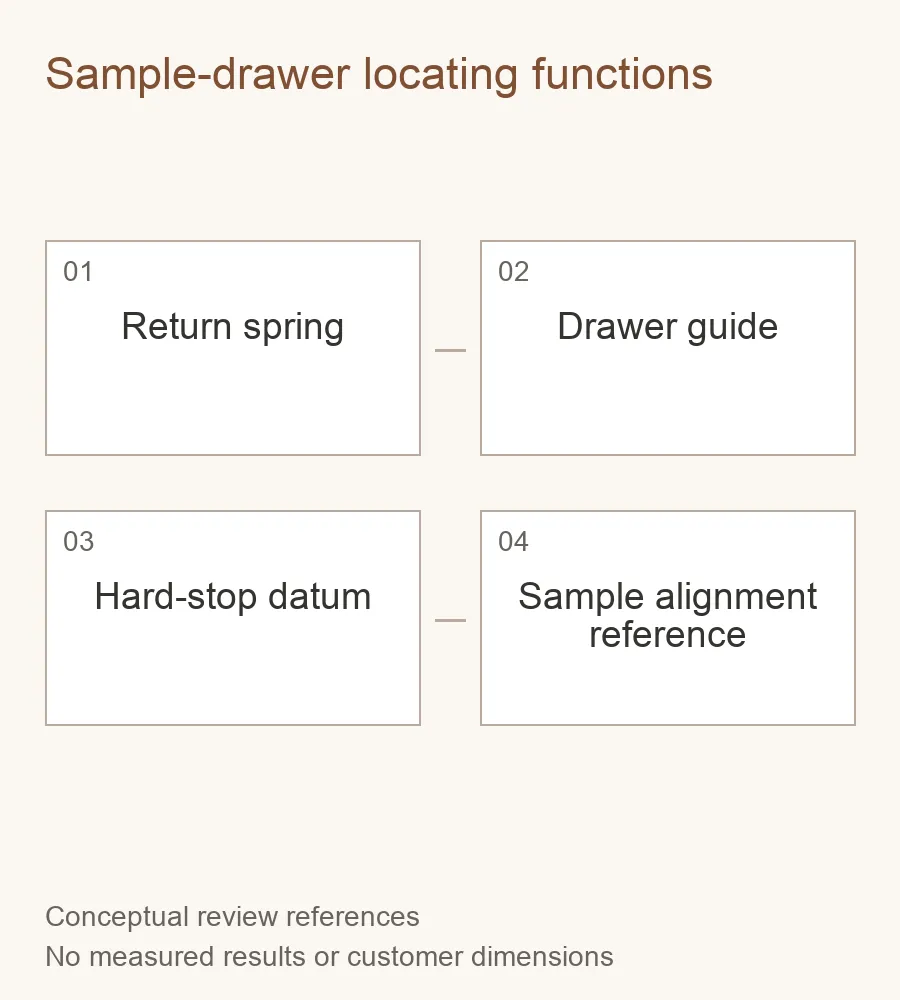
Check whether the drawer reaches its stop and whether it remains properly seated under the permitted operating conditions. Excess return energy can create bounce or contact loading; insufficient contribution can leave the drawer short of its locating surface.
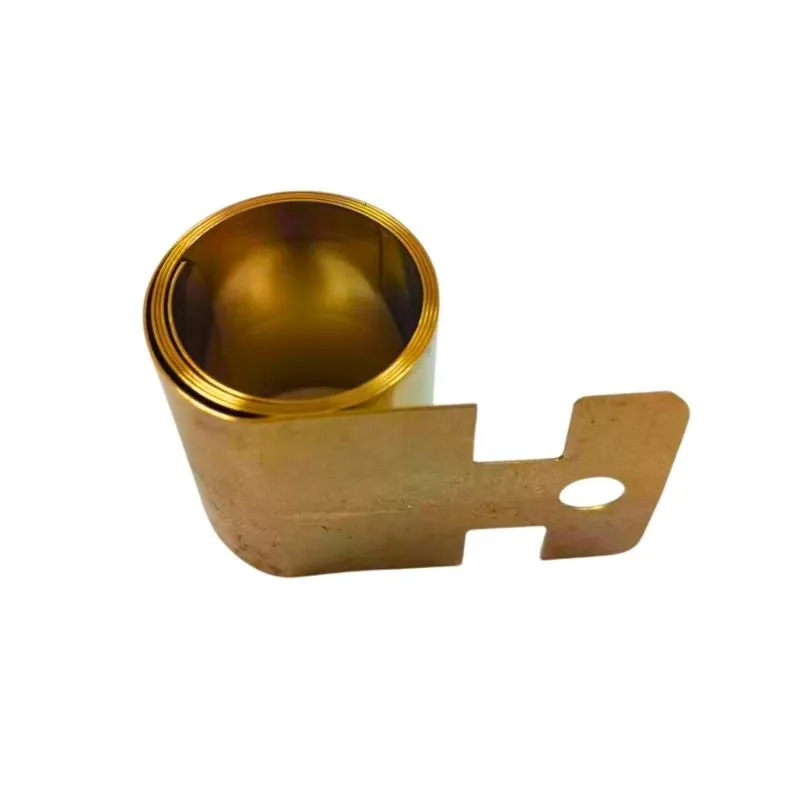
Measure alignment at the sample reference rather than only at the spring connection. Include the actual guides, stop and carrier in the evaluation, retaining their revisions with the spring identity.
The acceptance statement should distinguish return completion, locating repeatability and any sensing function used to confirm closure. A closure signal alone is not an alignment measurement. Provide those separate requirements to the relevant suppliers so that a successful spring test is not reported as acceptance of the complete sample-positioning system.
For the broader background, read Spring Acceptance Tests at Functional Positions.
Explore related spring information or discuss this mechanism with a non-confidential description.