
A spring counterbalance can make a machine cover easier to move without establishing that the cover is correctly retained or that an interlock has reached its intended state. These functions need separate definitions in the machine design.
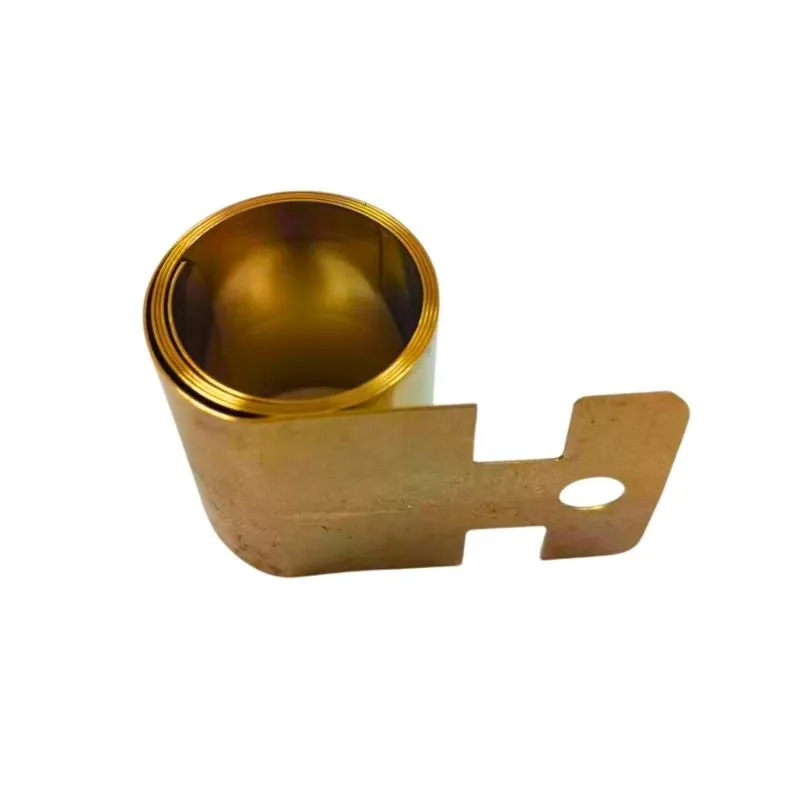
Identify the physical references
Show the cover hinge or guide, spring attachment and interlock target. Record the cover position associated with the required signal. A sensor mounted near a flexible bracket may not follow the same geometry as the cover's closing datum.
Keep the target path clear through the full approved movement. A spring or attachment that passes nearby can affect clearance or sensing independently of the cover's intended position.
Recheck after assistance changes
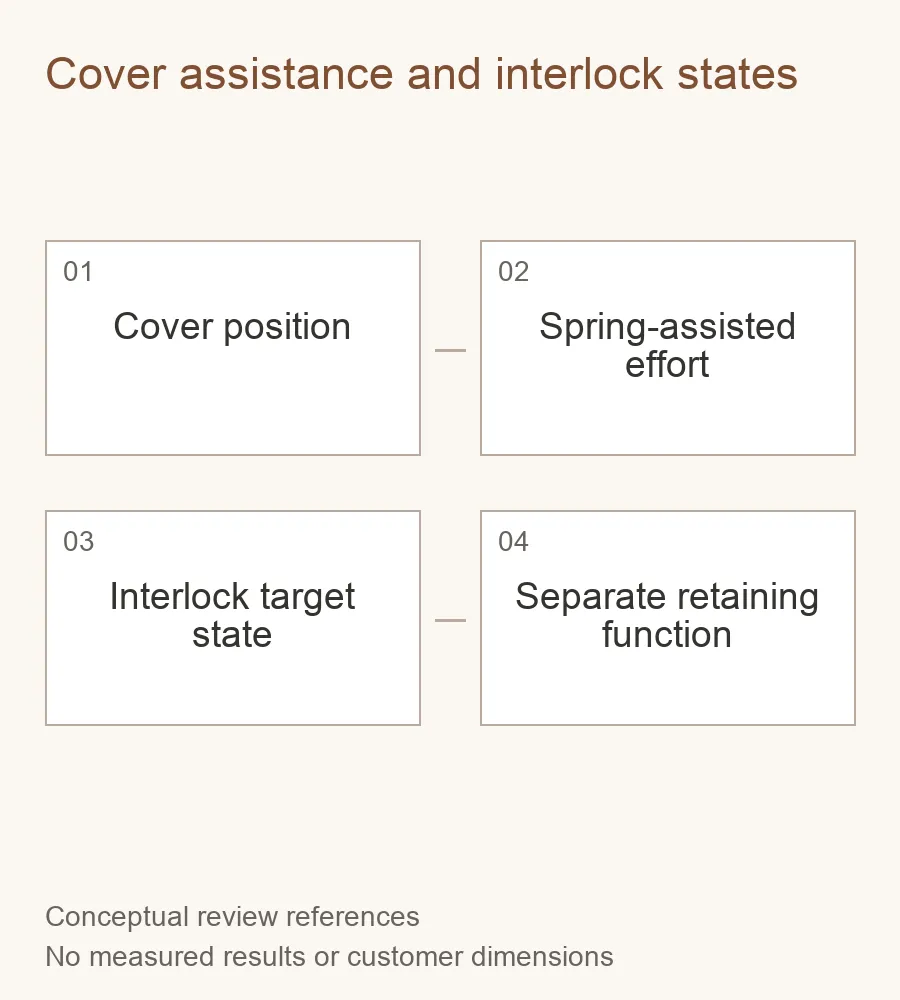
Changing spring contribution can alter how the cover arrives at its stop or how readily a user operates it. It does not qualify the interlock or justify changing its settings without the machine's required review.
Use the approved machine assessment and validation process for guarding and interlock functions. Do not bypass an interlock to create a more convenient spring test.
For the spring supplier, define the required effort and travel at the mechanical interface. For the machine designer, retain the evidence for cover position, retention and control behavior separately. This prevents a comfortable counterbalance demonstration from being mistaken for acceptance of a protective system.

For the broader background, read Constant Force Springs for Industrial Access Panels and Machine Guards.
Explore related spring information or discuss this mechanism with a non-confidential description.