
Replaceable cladding can change a hatch's mass distribution without changing its hinge or spring attachment. Two panels of similar mass can create different hinge moments if their load is distributed differently relative to the pivot.
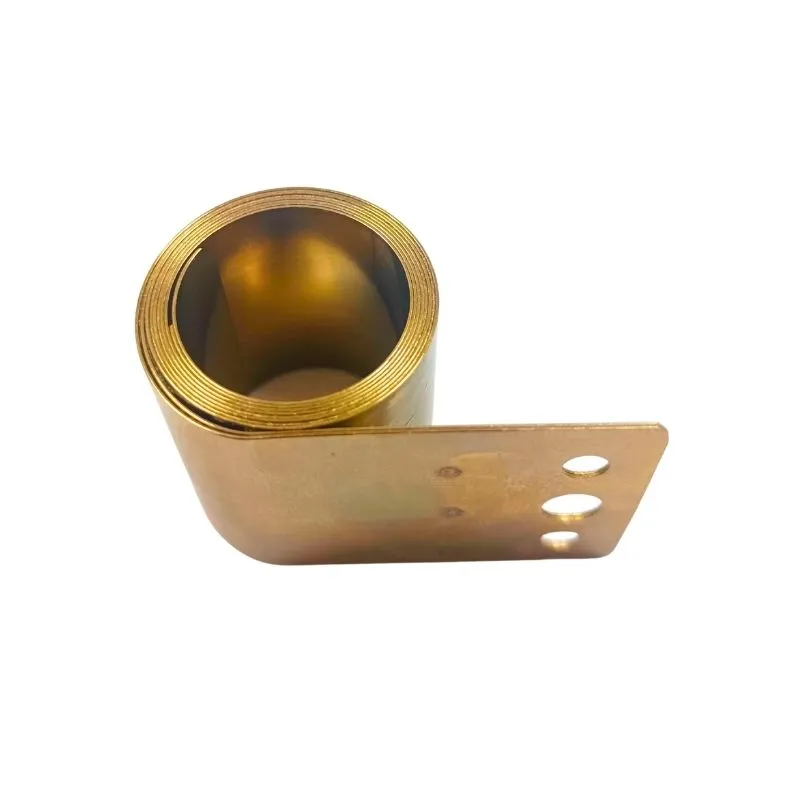
Keep each option identifiable
Record the cladding option, its mounting pattern and relevant load location. Include trim or accessories that move with the hatch. Do not treat the structural hatch's original mass as the complete moving assembly after decoration is fitted.
If replacement options are permitted, define the supported set. A statement that any panel may be installed is not a spring requirement unless the allowed loads and geometry are bounded.
Compare the opening path
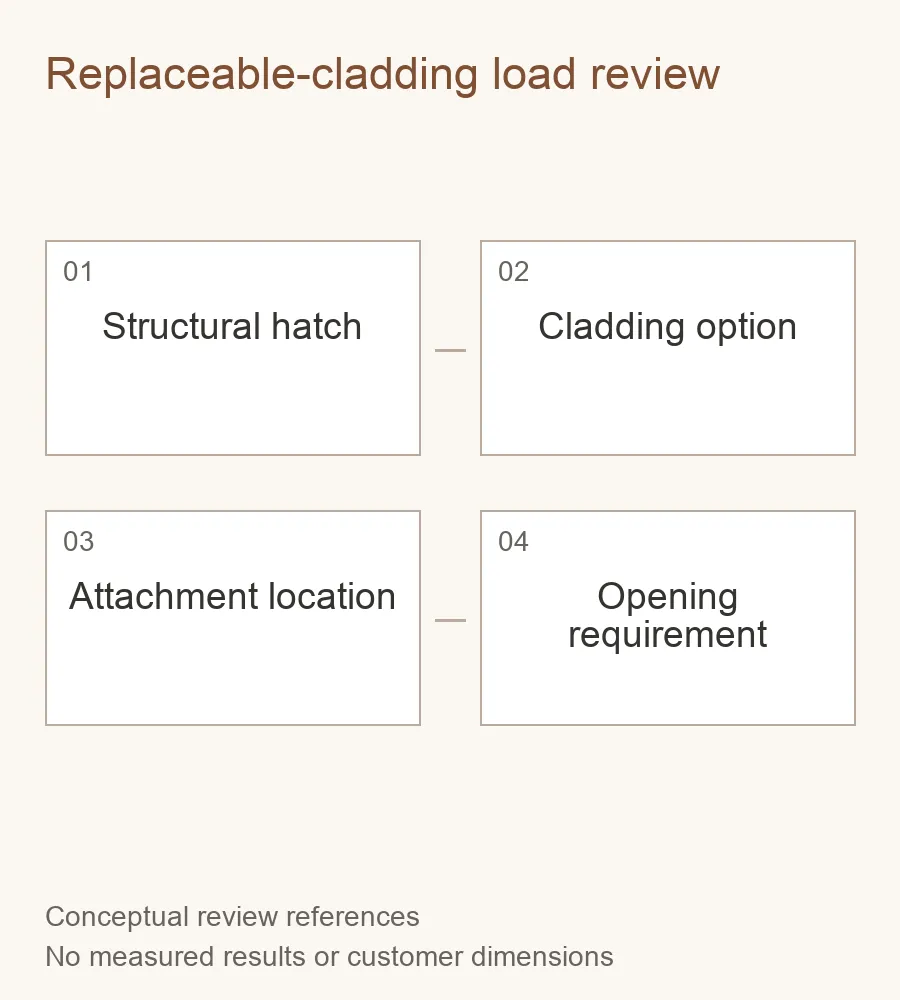
Evaluate assistance at the positions that determine effort and retention, using the actual hatch geometry. A heavier option may determine one limit while a lighter option determines an opposite bias near another position.
Check attachment and clearance changes as well as force. Cladding thickness can affect stops, handle reach and the available spring envelope even when its mass is acceptable.
The accepted configuration table should connect cladding identity to spring setting or module selection where adjustment is part of the design. Preserve that relationship in installation information so that replacing an aesthetic part does not silently create an unreviewed counterbalance assembly.
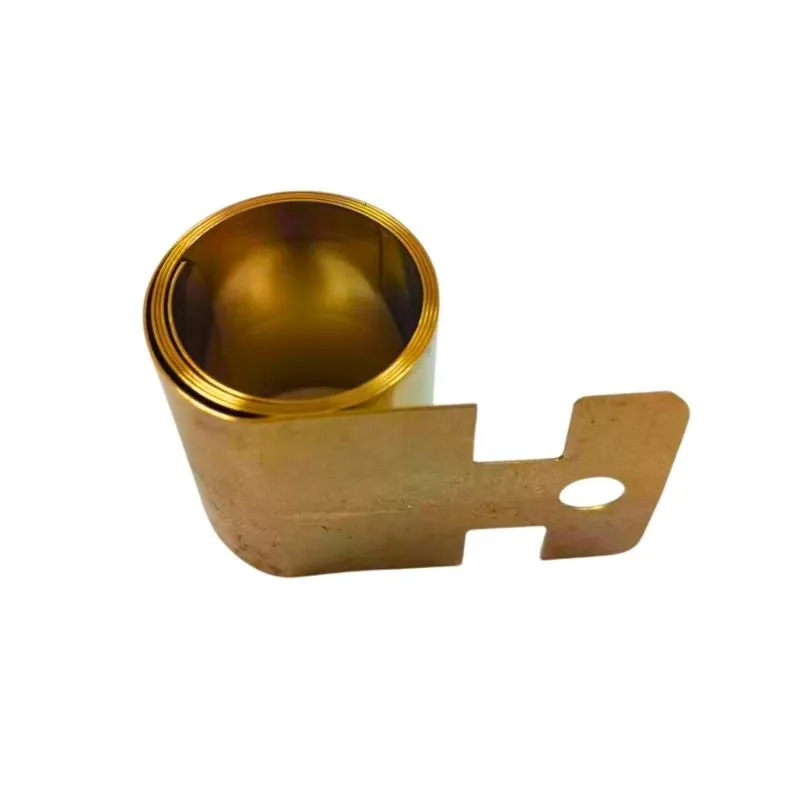
For the broader background, read Variable Force Spring Design Changes After Load Growth.
Explore related spring information or discuss this mechanism with a non-confidential description.