
A slip clutch placed between a spring and its load behaves differently from one placed in the winding drive. The first can interrupt delivered return torque; the second can limit how the spring is wound while leaving another return path intact. Draw the actual paths before choosing a setting.
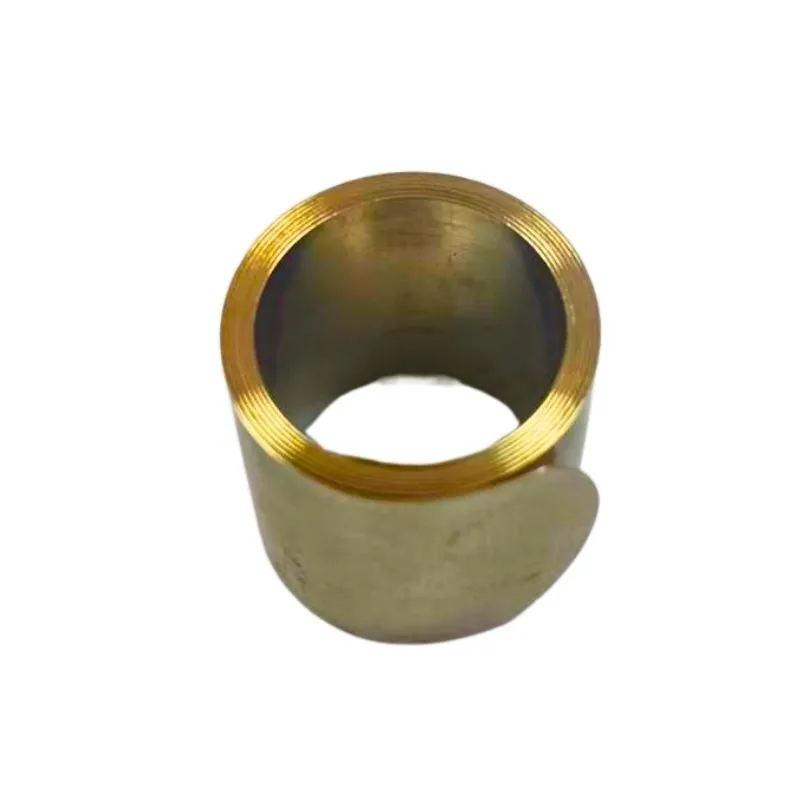
Ask what slipping is meant to protect
Name the event: excessive winding torque, a blocked output, a user override or engagement shock. These are not interchangeable requirements. State which components remain connected when slip occurs and what happens to stored energy afterward.
The spring's maximum operating state still needs its own limit. A clutch setting does not automatically define permitted turns, especially if friction, speed or another drive path changes the relationship.
Check both sides of the clutch
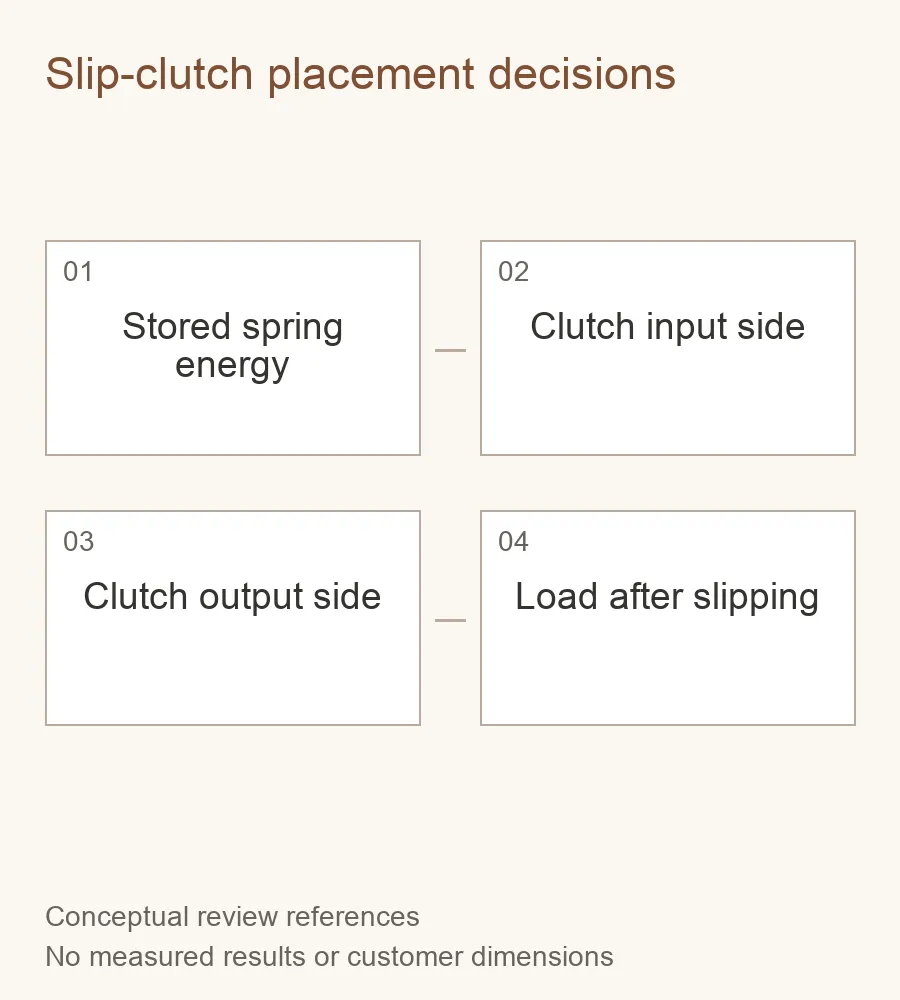
For an output-side device, determine whether slip can leave the load unsupported or unable to return. For a winding-side device, determine whether the spring can reach its required installed state before the clutch slips. Include any adjustment tolerance supported by the selected component's documentation.
Do not treat the device as a qualified safety limiter without the system assessment that establishes that role. A controlled prototype test should record input torque, output movement and the identified slipping event, not just the final position.
The useful supplier handover is a diagram of winding, return and slip states, with the intended protected component named. It prevents a torque value from being accepted without agreement about which interface that value describes.
For the broader background, read Power Spring Dynamic Return Overspeed.
Explore related spring information or discuss this mechanism with a non-confidential description.
Background reference: Reell slip-device context. Component documentation does not qualify the complete mechanism.