
A lid that is comfortable to open with bare hands may present a different handling task when the intended user wears gloves. The spring force is only one input: grip access, handle clearance and the movement needed to release the lid also matter.
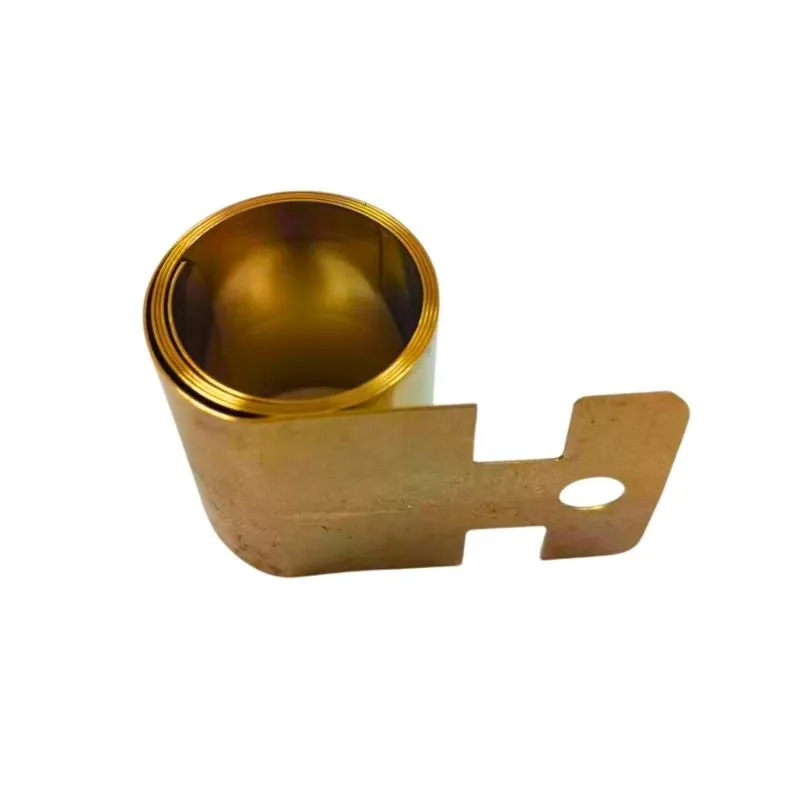
Define the intended interaction
Identify the permitted grip area and the glove conditions relevant to the equipment's use. Show whether the user pulls, lifts or rotates the handle before the spring contribution becomes useful. Keep those movements separate in the review.
Do not assume that an easier force reading means better access. A smaller handle or closer surrounding surface can make the interaction harder even when the spring reduces the measured opening effort.
Observe the supported task
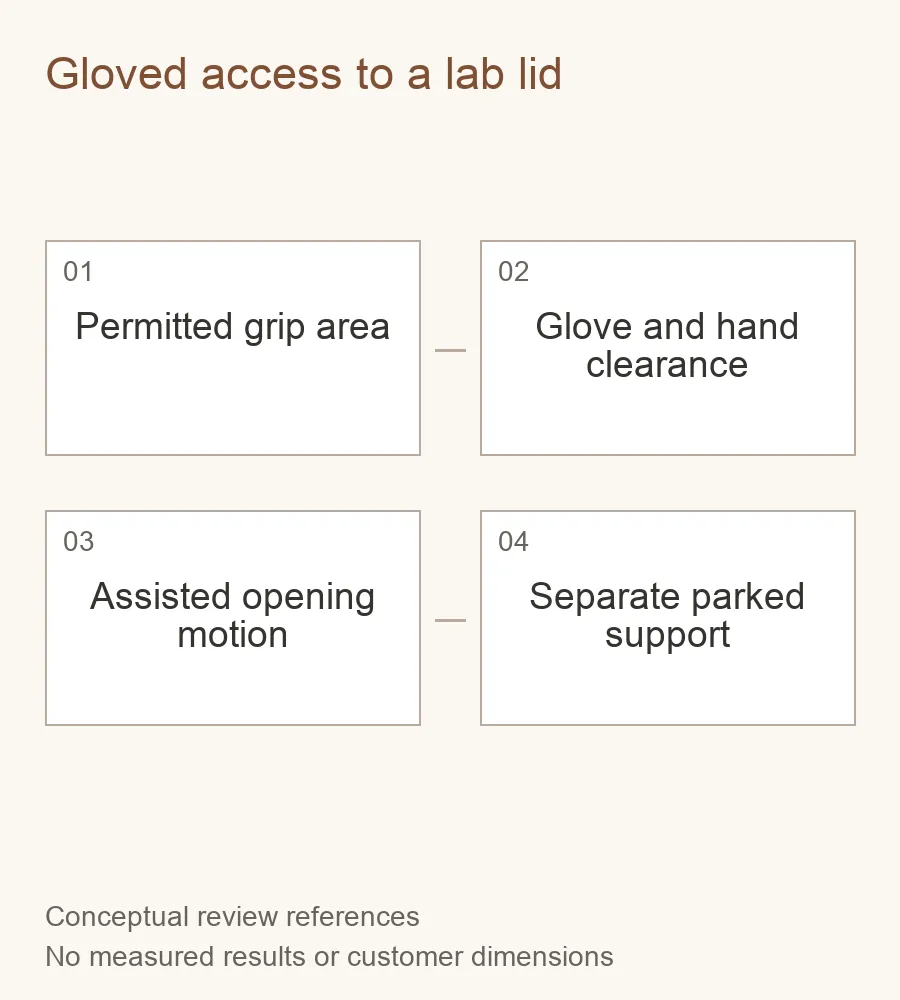
Use an approved evaluation of the actual lid and handle. Record the user's reach, contact location and the clearance through the intended movement. The review should not require fingers to enter a moving joint or support a lid that lacks a defined retained state.
The spring's opening contribution, the lid's hold-open function and any latch release remain different requirements. Keep each one identifiable in the observations.
For the spring discussion, describe the handle motion and the required assistance at the relevant positions. This is a mechanical interaction review, not evidence of medical-device approval, cleaning suitability or a universal ergonomic limit. Those questions need the equipment manufacturer's own requirements and evaluation.

For the broader background, read Medical Device.
Explore related spring information or discuss this mechanism with a non-confidential description.