
Balancing a microscope assembly and adjusting focus are different tasks. A spring intended to support a moving mass can reduce effort, but the focus mechanism still needs to establish and retain the required position without unwanted motion.
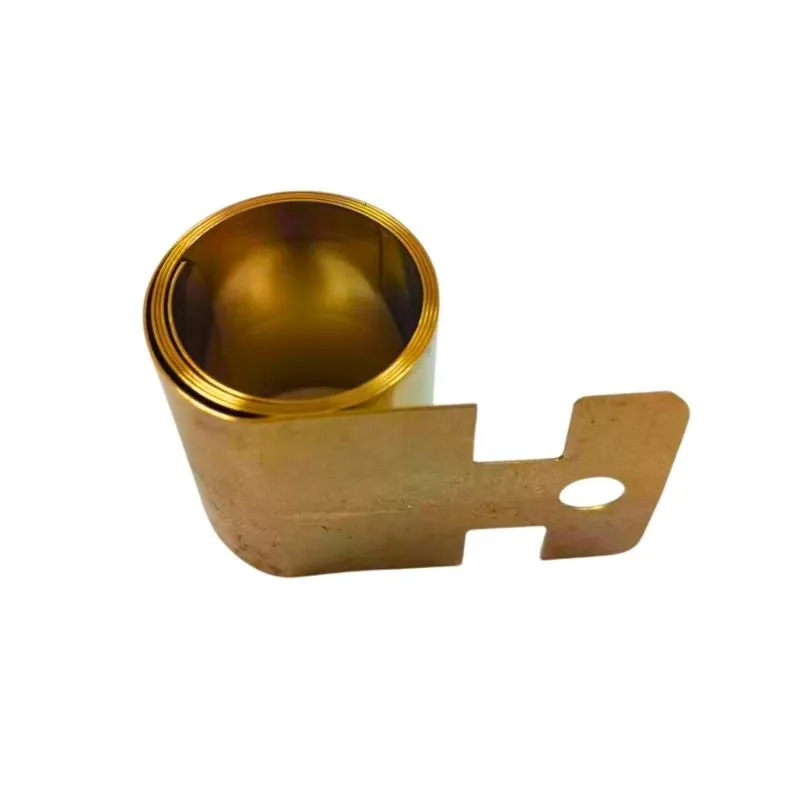
Mark the two motion paths
Identify which assembly moves for gross positioning and which moves for focus. If both act on a shared carriage, show where their forces enter it. A spring that is appropriate for a support arm should not automatically be assigned to the fine adjustment path.
Include cables and accessories in the supported load. If an accessory moves with the focus carriage, its contribution belongs in that carriage's requirement rather than only in the support-arm balance.
Evaluate the interface at small movements
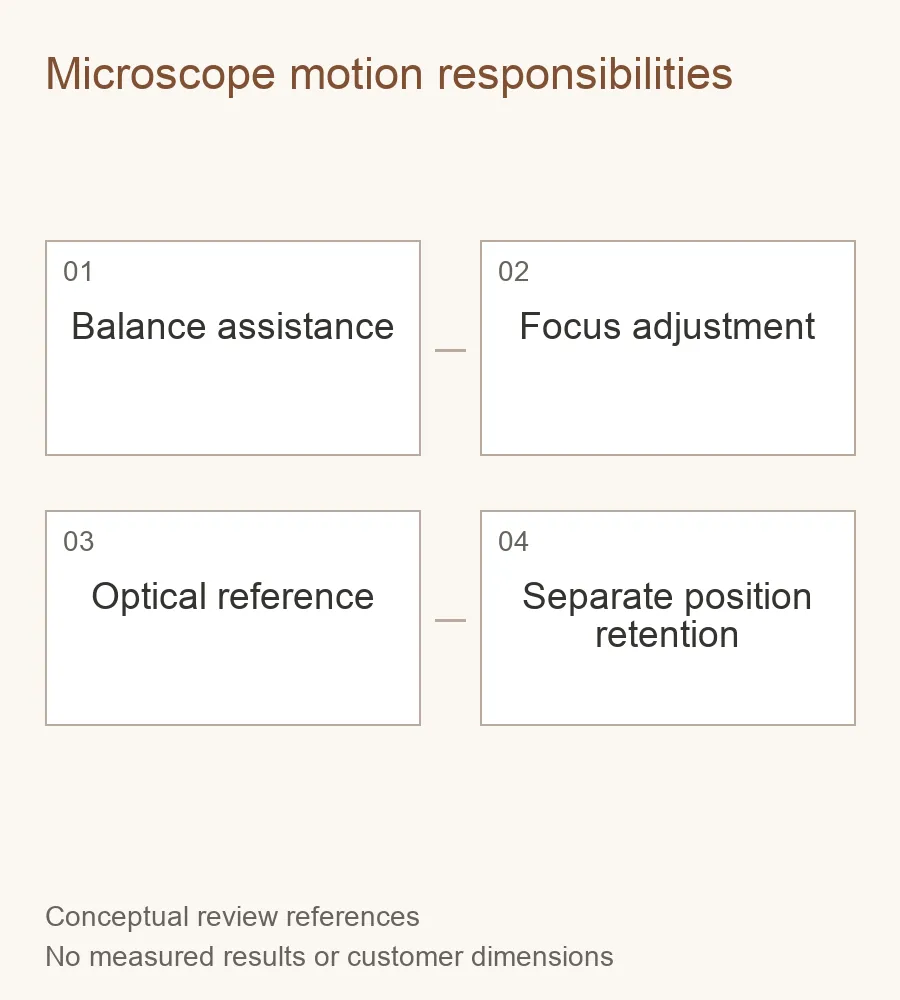
Observe adjustment from both directions under the intended setup. Record whether the supported assembly settles after the control is released and whether a balance adjustment changes the focus interaction. Keep any measured drift or position change tied to the optical or mechanical reference actually used.
Do not use spring feel to establish optical performance. The equipment designer must define the relevant focusing, retention and image requirements.
For an enquiry, a function split is more useful than a request for a microscope spring: name the mass-support task, identify the focus drive and state what movement the spring is allowed to influence. This avoids transferring an unspoken positioning responsibility to the balance component.
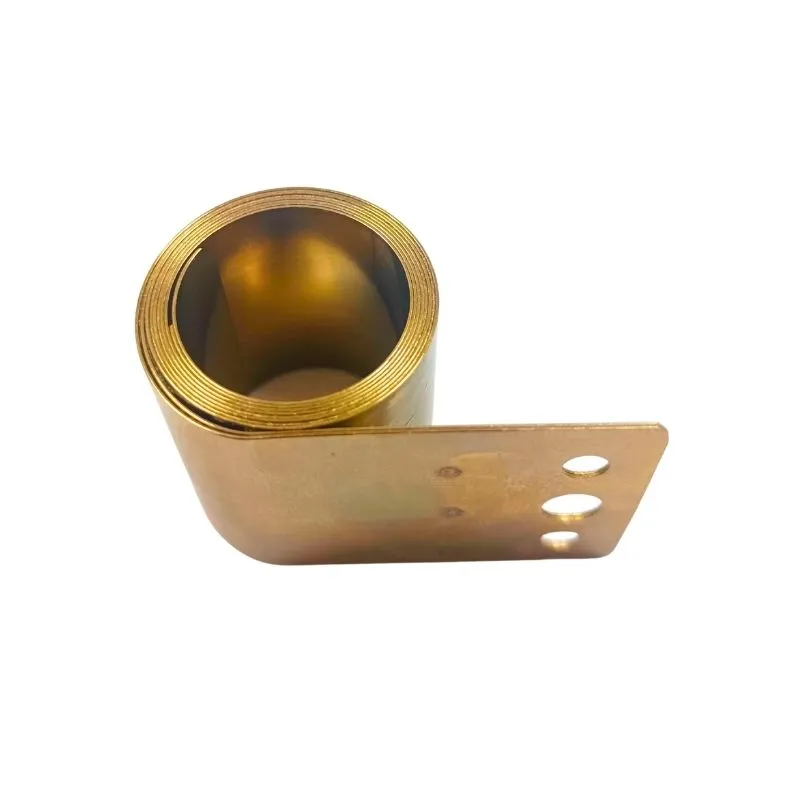
For the broader background, read Constant Torque Springs for Optical Inspection Microscope Arms.
Explore related spring information or discuss this mechanism with a non-confidential description.