
An instrument that accepts interchangeable modules may need to support several combinations of mass, center of gravity and service connections. A single worst-weight value can miss a lighter module that loads the mechanism differently.
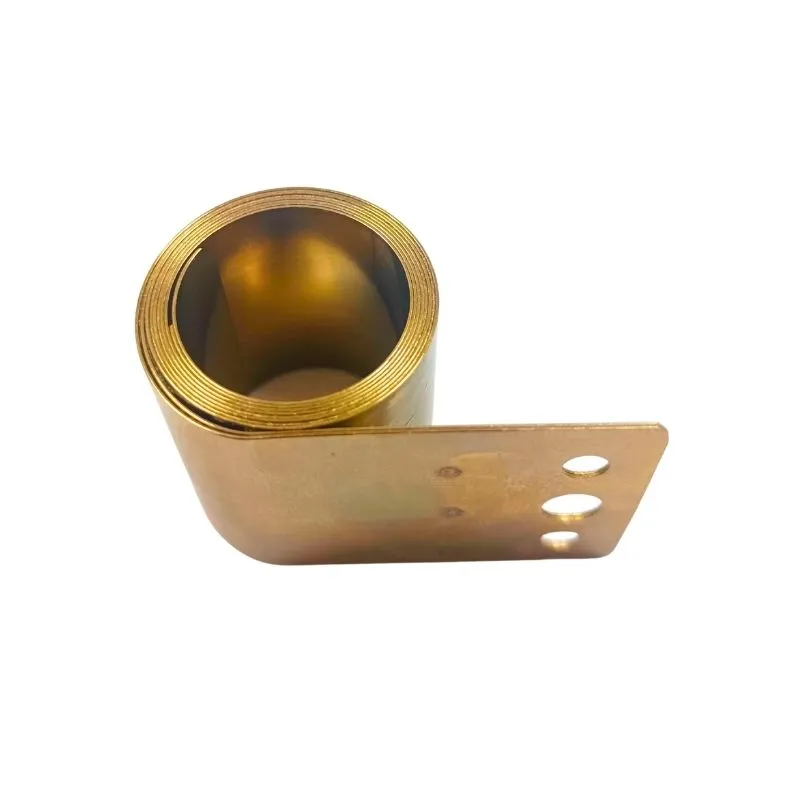
Define the approved combinations
List the modules and accessories intended to be fitted together. Record their mounting reference, relevant load location and service routing. Do not combine the heaviest value from one configuration with geometry from another unless that combination is genuinely permitted.
Include the empty installation or exchange state. The counterbalance can remain active while a module is removed, so the exchange position and its support provision need explicit definition.
Compare requirements at common positions
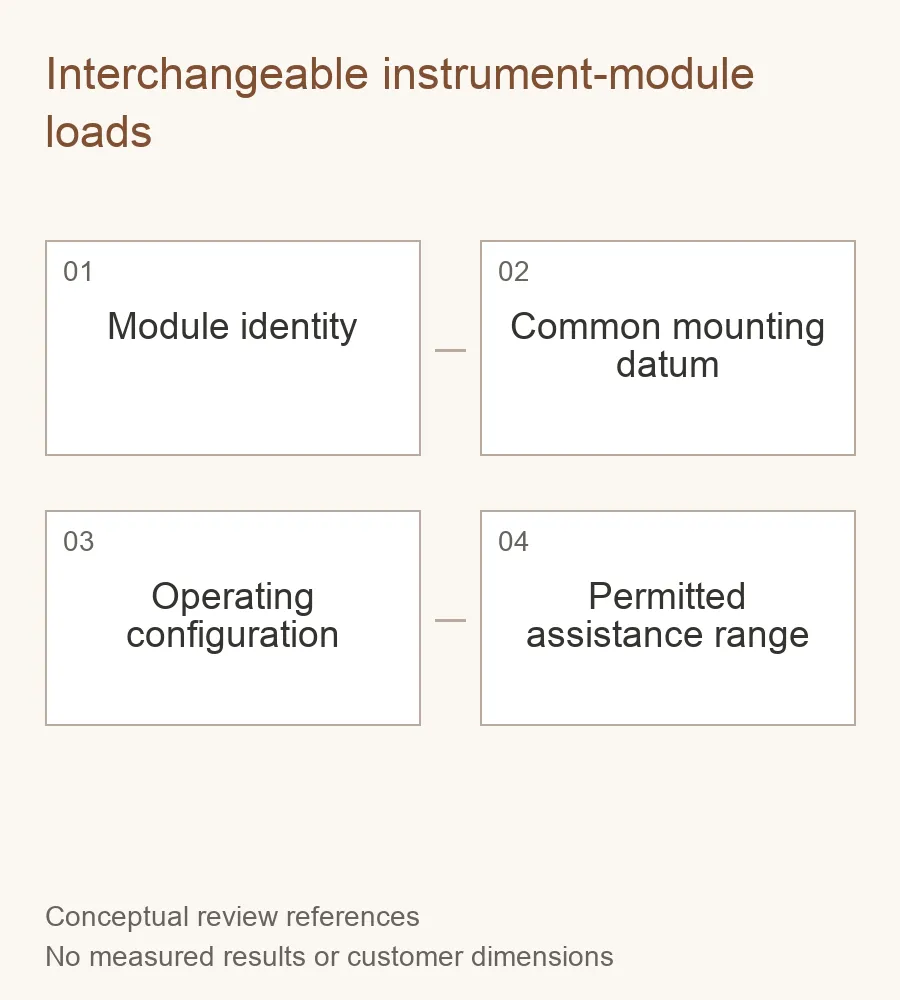
Use the same motion references for each configuration. Identify which case determines maximum operating effort, which determines an opposite bias and which sets the tightest clearance. These may be different cases.
If adjustment is part of the concept, state how the approved setting is linked to module identity. A user should not need to infer the correct assistance from an unexplained knob position.
The spring enquiry can use a controlled configuration table without publishing sensitive module specifications. Share the relevant values privately where needed. The review should establish which combinations a candidate assist can support and which remain outside its approved scope; it should not imply that one successful module test qualifies every future attachment.
For the broader background, read Constant Force Springs for Height-Adjustable Medical Carts.
Explore related spring information or discuss this mechanism with a non-confidential description.