
A spring-return mechanism near a possible liquid spill needs a defined boundary between exposed parts and protected parts. Calling a spring corrosion-resistant does not establish that the reel, guides, lubricants or surrounding equipment tolerate the same exposure.
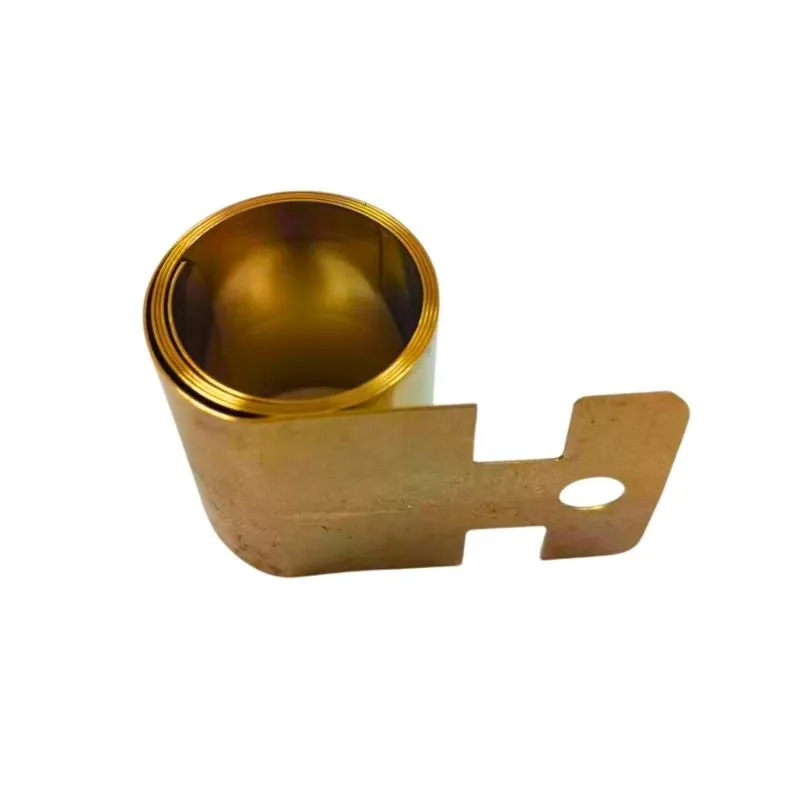
Describe where liquid can reach
Identify the surfaces, openings and moving elements that could carry liquid toward the spring region. Include the parked state and return movement. A cable that stays dry while extended may bring surface liquid into its housing when retracted.
Specify the expected spill and cleaning context through the equipment manufacturer's requirements. Do not select materials or declare chemical compatibility from a generic spring-family description.
Keep cleaning access in the layout
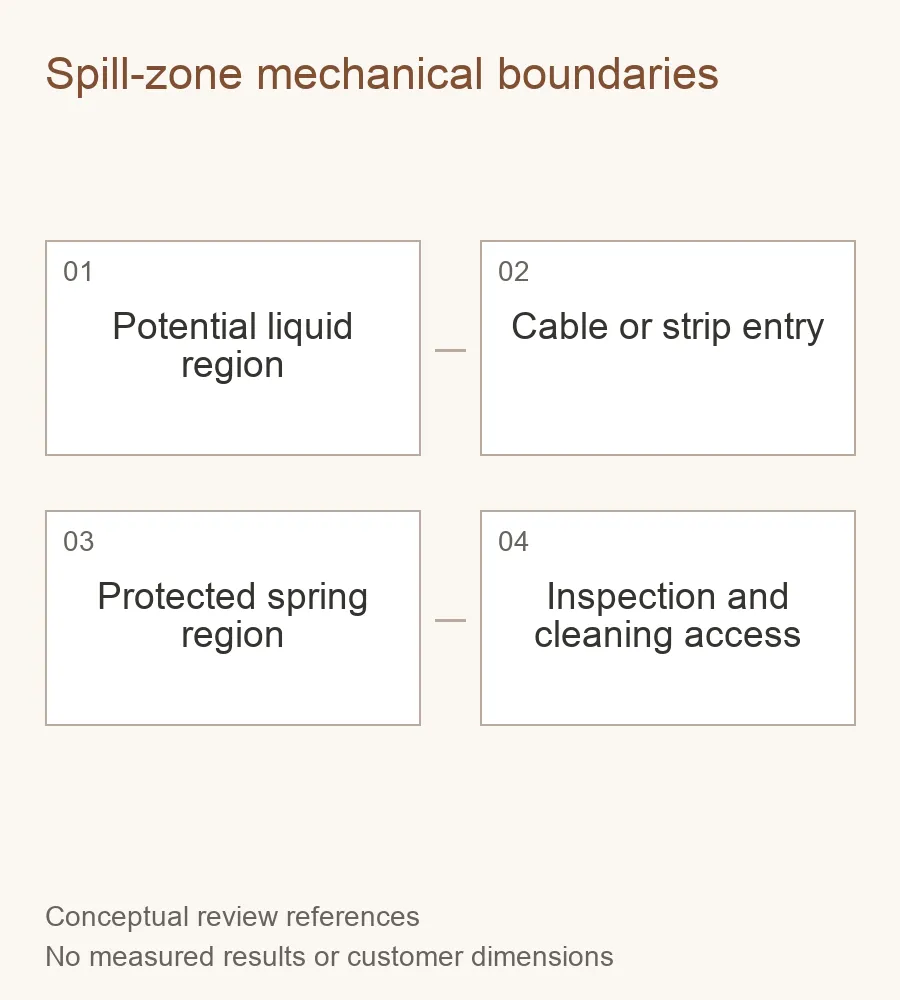
Show which parts can be inspected without opening or releasing a loaded spring assembly. If cleaning requires a special supported position, define it in the equipment's controlled procedure.
The spring review should identify exposure constraints and the mechanical effect of any approved seals or wipers. Their resistance can change return effort, particularly after drying or cleaning.
Acceptance needs the relevant material and equipment evidence alongside functional checks. A successful return after one splash is not a chemical-compatibility, contamination-control or medical qualification. Keep those conclusions separate so that a spring supplier's component discussion is not mistaken for approval of the surrounding laboratory system.
For the broader background, read Spring Material Environmental Claims and Evidence.
Explore related spring information or discuss this mechanism with a non-confidential description.