
A spring-assisted cover can make routine opening easier while complicating cleaning access. The position needed to reach a surface may differ from the normal open position, and the spring can continue loading the cover during the cleaning task.
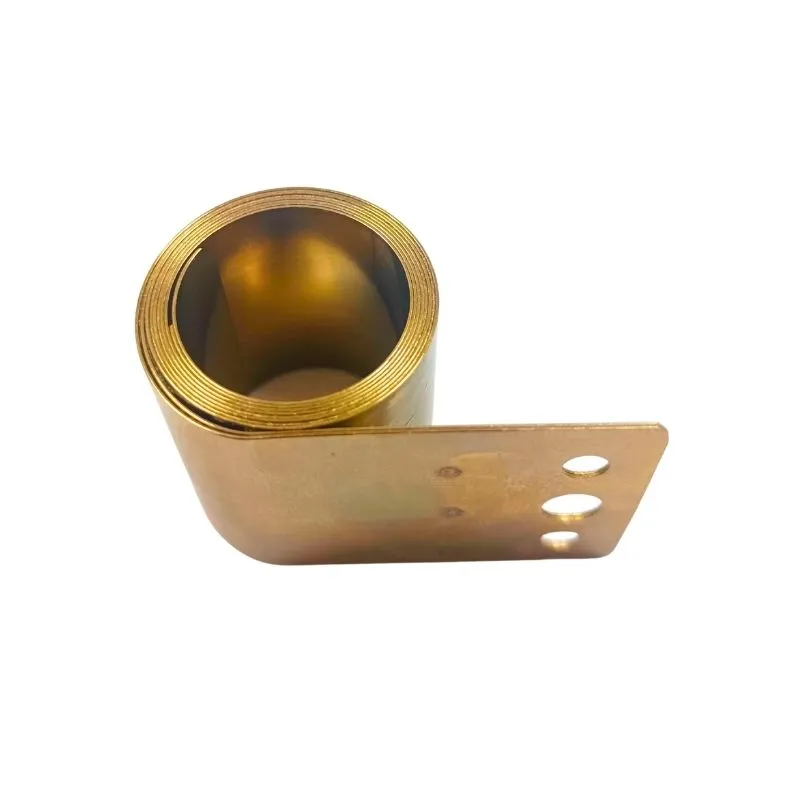
Name the supported cleaning position
Show the cover, assistance connection and the element that retains the cleaning position. Do not treat an apparently balanced cover as a secure work support. The equipment designer must define the required restraint and handling procedure.
Identify surfaces exposed only in that state. A cleaning instruction is incomplete if the illustrated access requires a user to reach into a spring path or remove an unaddressed support.
Recheck the operating interfaces
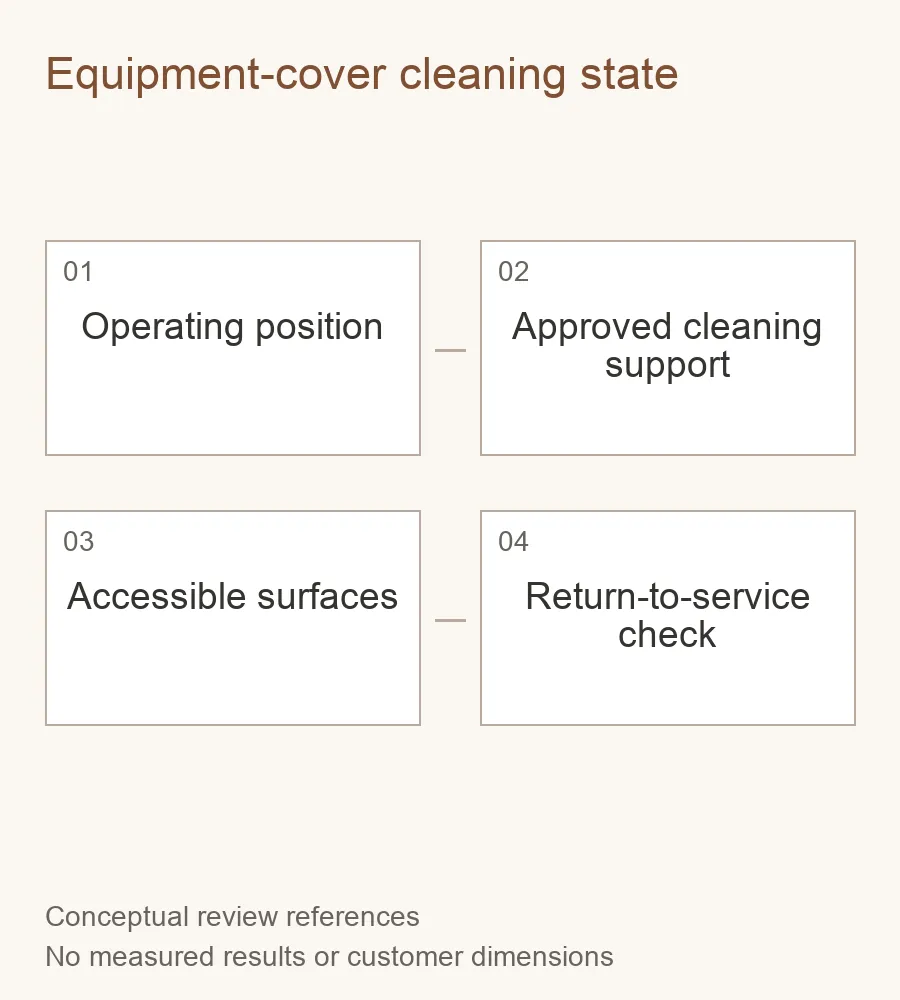
Cleaning can change the condition of seals, guides or approved lubricated contacts. The return-to-service check should therefore follow the equipment's requirements, not simply confirm that the cover still opens.
Keep any removable panel or accessory in the state record. Its absence can change the balance even when the spring is untouched. Reassembly should restore the identified geometry and components before normal movement is assessed.
For an application review, provide the operating and cleaning states as a pair. This makes it possible to discuss assistance and access without publishing confidential construction. It also prevents a spring qualification from silently expanding into a cleaning or sanitation claim that the available evidence does not support.
For the broader background, read Spring Strip Cleaning Residues and Lubrication.
Explore related spring information or discuss this mechanism with a non-confidential description.