
A spring-assisted test axis can move differently when its drive loses power. Motor torque, brake state and control behavior can change while the spring remains active. The position observed during a normal software stop is therefore not automatically the power-off position.

Define the intended stopped state
State the permitted load, axis orientation and position range. Identify which component is meant to support or retain the axis when power is unavailable. A near balance between spring and load is not a substitute for a defined retaining function.
Separate an orderly stop from loss of drive power, a brake transition and a manual service state. The machine designer must decide which conditions apply and how they are assessed.
Keep the spring review within that definition
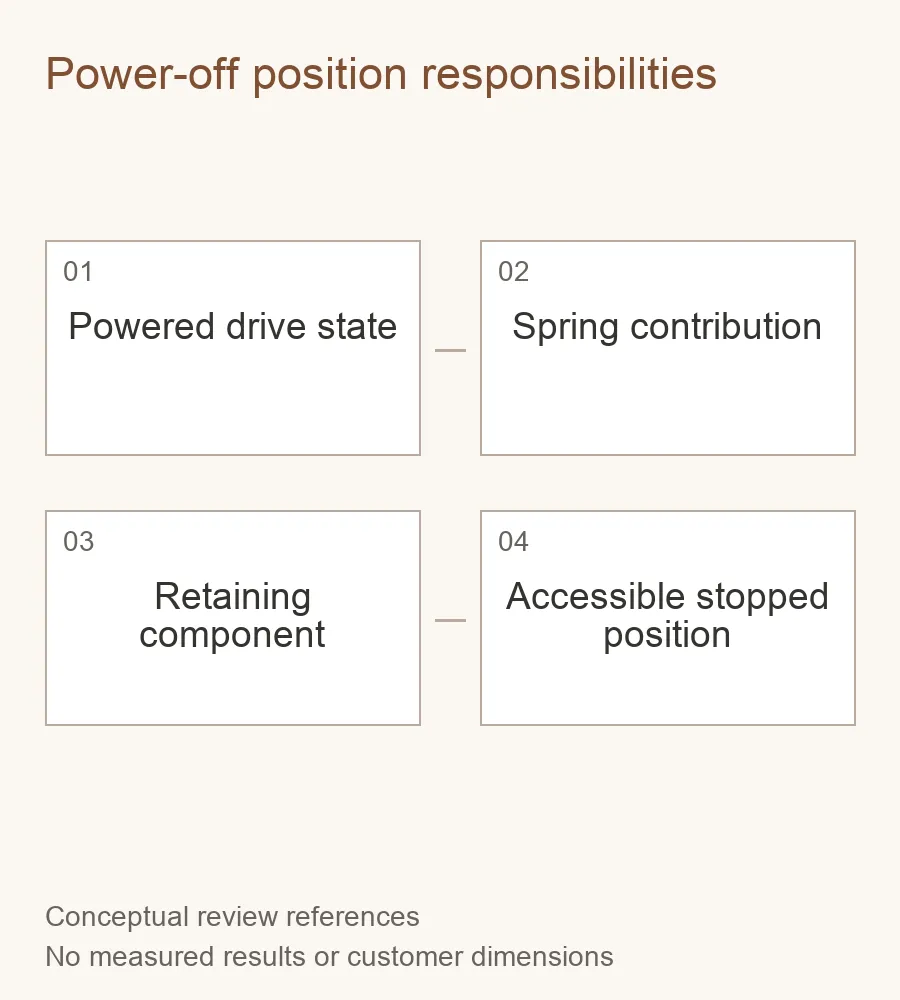
Provide the spring's contribution across the relevant interval and any variation needed for the analysis. Do not ask a spring supplier to infer the machine's power-off requirement from a nominal counterbalance value.
Any validation involving an uncertain moving load requires the machine's approved restraint, guarding and procedure. An uncontrolled power interruption is not a general diagnostic method.
The completed handover should identify the stopped position or permitted movement and the component responsible for it. Functional spring acceptance can then proceed without being reported as qualification of the entire axis under loss of power.
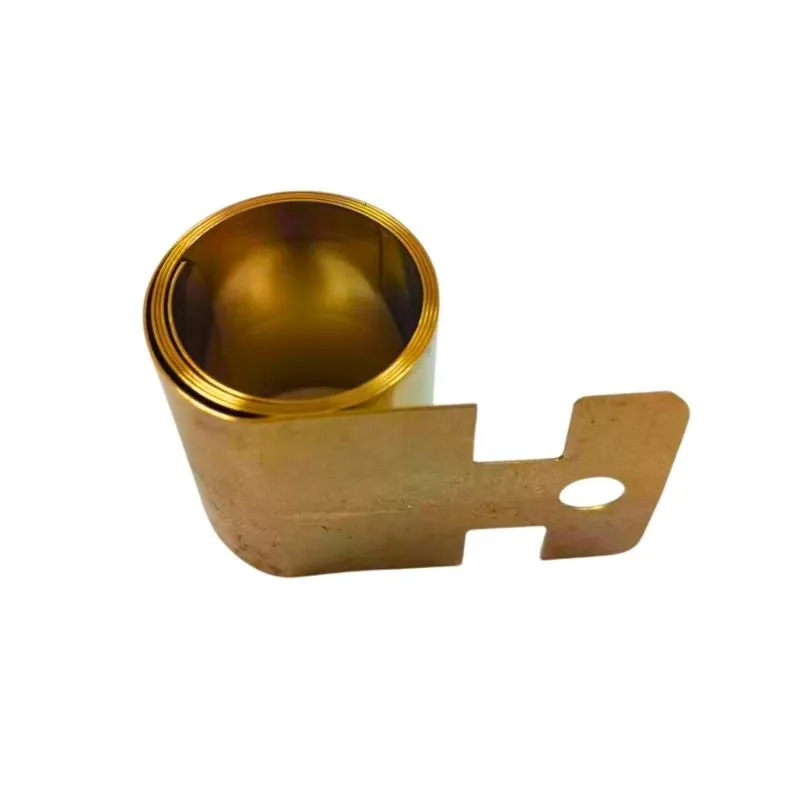
For the broader background, read Constant Force Spring Recoil During Maintenance.
Explore related spring information or discuss this mechanism with a non-confidential description.