
Drainage and enclosure protection answer different questions. A drain path can help remove water that reaches a region, while an enclosure claim concerns specified protection under defined conditions. Neither can be inferred from the fact that a spring mechanism still retracts after getting wet.
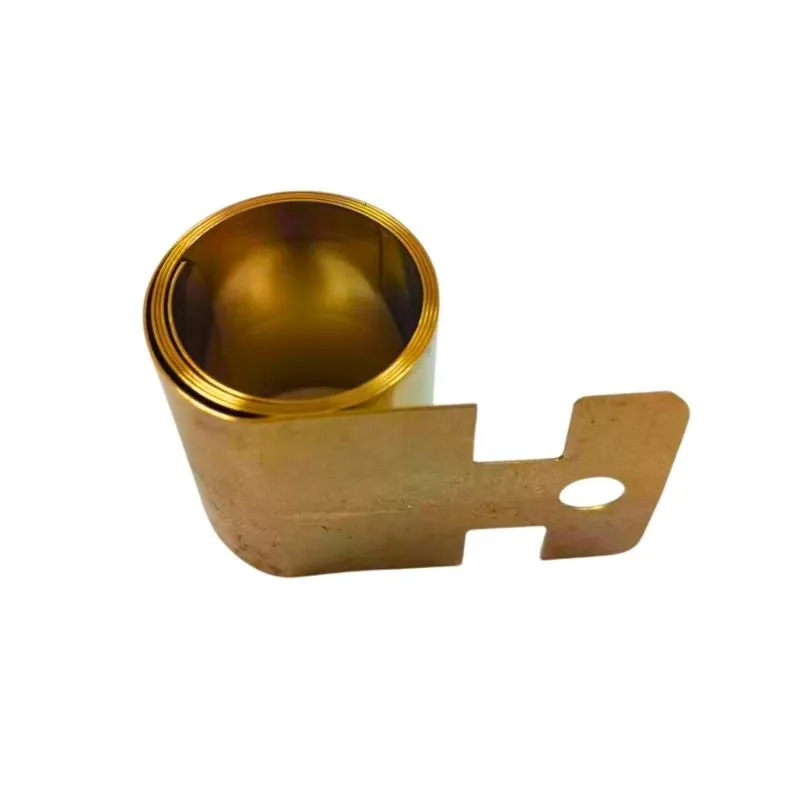
What belongs in the exposure description
Identify the intended liquid, cleaning method, mounting orientation and operating state through the equipment requirements. Keep approved component ratings and chemical compatibility evidence attached to the actual enclosure, seals, cable entry and spring arrangement.
A spring-family material description does not qualify the complete module. Moving parts, lubricated contacts and cable surfaces can create routes or conditions absent from a static enclosure test.
What belongs in the movement review
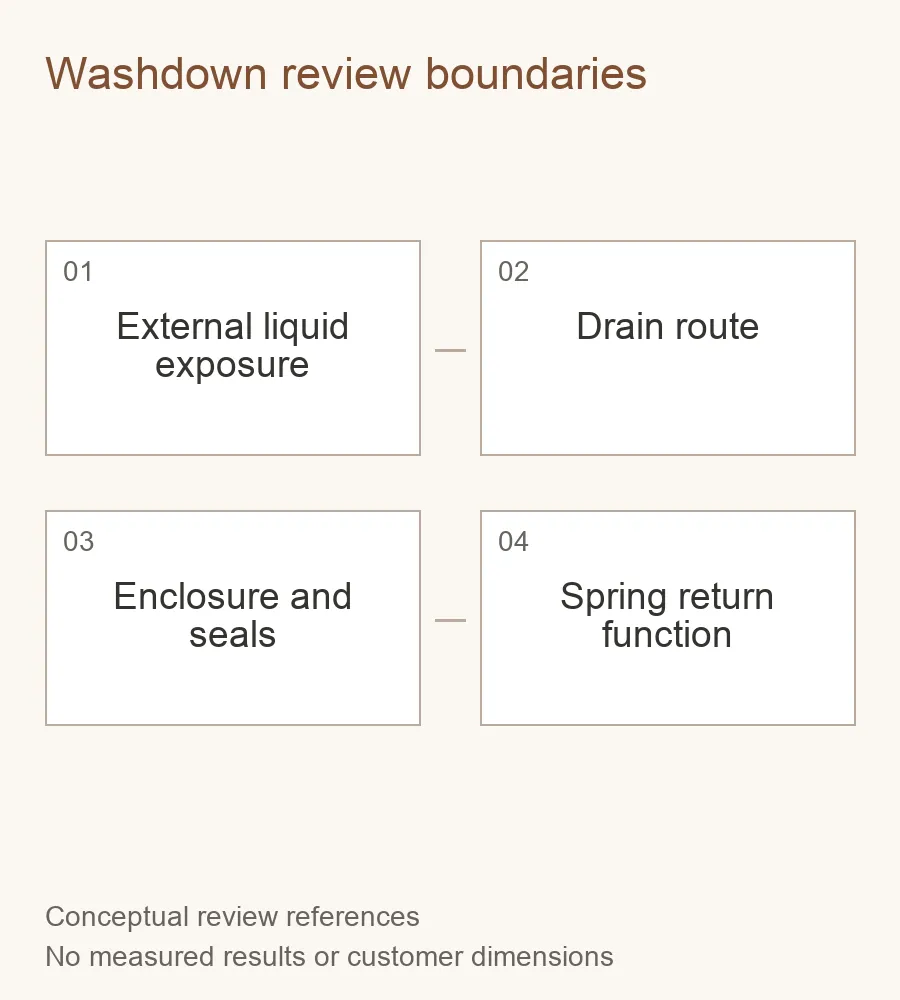
Show the drain openings and the moving elements through the stroke. Check whether a cable bundle, cover or attachment can obstruct the intended path at some positions. Record the installed orientation rather than assessing drainage only on a horizontal bench.
The mechanical review should also identify any seals or wipers that add return resistance. Their function and condition must remain part of the tested assembly.
Keep the conclusions explicit: the defined drainage route remains available; the specified components have the required evidence; and the complete mechanism meets its movement requirements. A single successful wash-and-return demonstration should not be reported as all three.

For the broader background, read Spring Strip Corrosion Exposure as a Test Definition.
Explore related spring information or discuss this mechanism with a non-confidential description.