
A decorative cover near a concealed spring hinge should not be assumed to provide structural support or restraint. If removing it exposes a loaded mechanism, the service boundary must be clear before the cover is described as a simple cosmetic part.
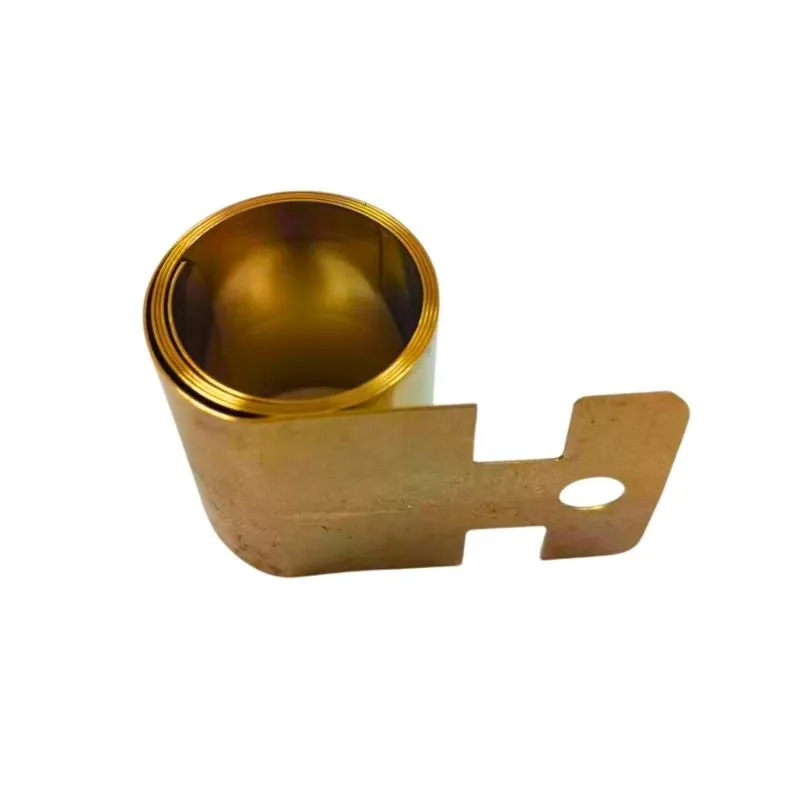
Identify what the cover actually does
Show the hinge module, its structural mount and the cover attachments. State whether the cover carries load, locates another component or only closes a visual opening. A fastener accessible through the trim should not be mistaken for a trim fastener if it retains the module.
Keep moving clearances visible. The cover can contact a linkage or spring attachment at an intermediate angle even if it clears both endpoints.
Define the approved removal state
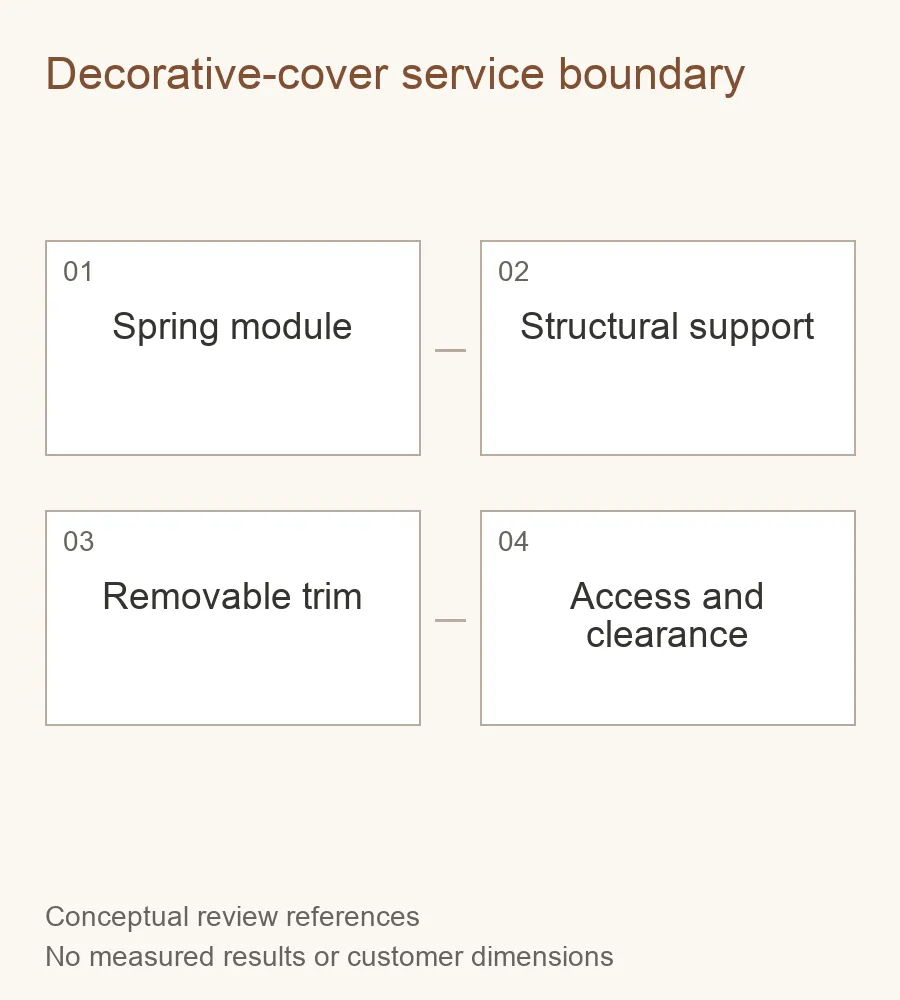
The equipment designer and module supplier should establish any required support, access and handling procedure. Removing trim is not permission to release internal spring restraints.
After refitting, check the cover against its own location references. A cover seated differently can introduce rubbing or change the apparent final gap without any spring change.
For a revision, record cover identity separately from the structural module. This makes it possible to discuss a visual change without silently accepting a new moving envelope or an altered service operation.

For the broader background, read Constant Torque Spring Enclosure Access for Inspection.
Explore related spring information or discuss this mechanism with a non-confidential description.