
A reel's stowed state includes more than a fully retracted cable. During vehicle transport, the end fitting, stored cable, reel and mounting all need a defined arrangement. The spring's return force is not automatically a transport restraint.
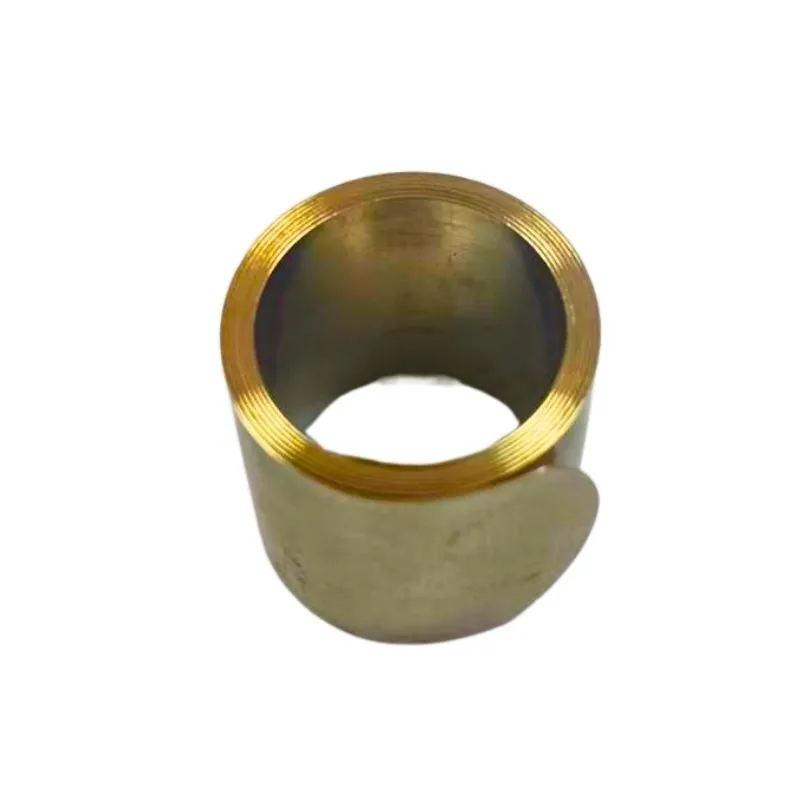
Identify what is retained
State whether a connector or tool is held by a dock, latch or another designed feature. Record how the cable is routed and whether any loose length remains outside the housing. Do not assume that spring tension alone prevents movement under transport conditions.
Include the reel mounting and any permitted orientation. A unit accepted on a fixed bench may have a different load path in a vehicle installation.
Preserve the transition to use
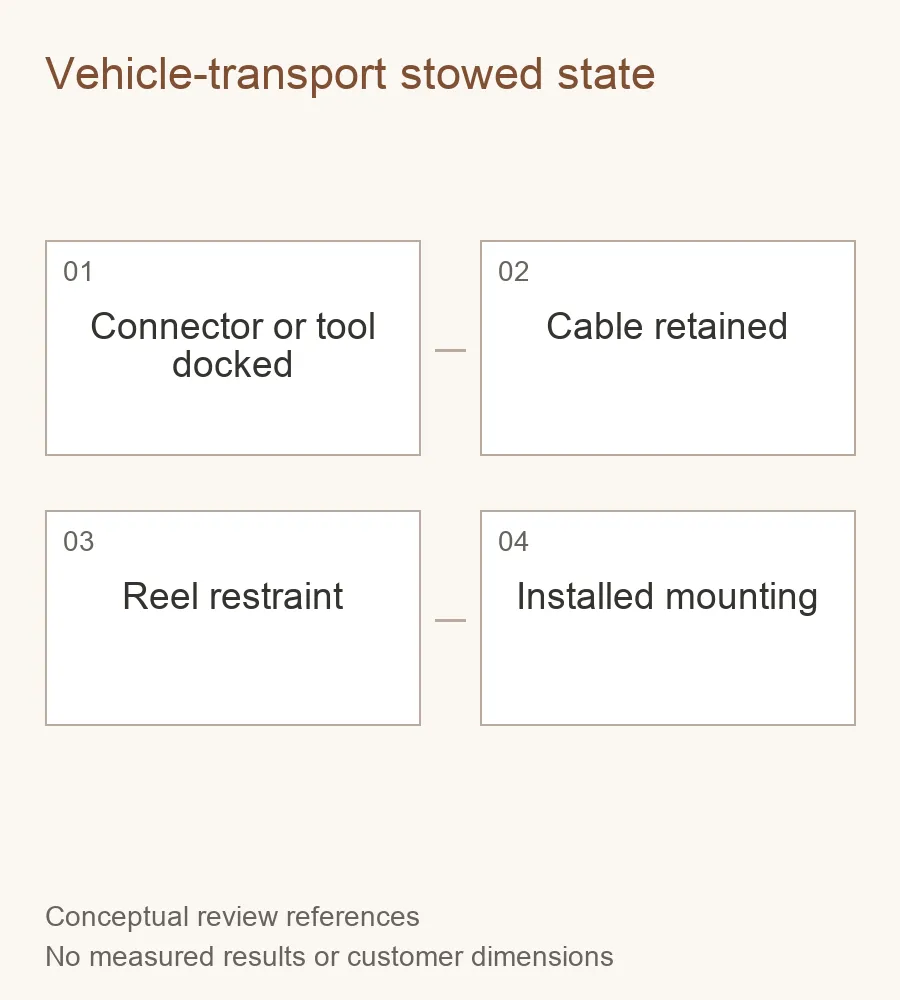
The installation information should identify how the transport state is released and how the normal working state is confirmed. If a separate lock is fitted, its approved removal sequence must account for the spring's stored energy and connected load.
Review the intended transport exposure using the product designer's requirements. This article does not establish a vehicle rating or an acceptable restraint capacity.
For supplier discussion, provide a stowed-state sketch showing the end fitting, cable path and restraint interfaces. It lets the spring contribution remain a defined return function instead of quietly acquiring responsibility for everything that must stay in place while the vehicle moves.

For the broader background, read Spring Tracking Changes After Transport.
Explore related spring information or discuss this mechanism with a non-confidential description.