
A combined power-and-data cable creates mechanical and electrical questions that must not be merged. Smooth retraction does not prove signal integrity, and a successful electrical check does not establish acceptable repeated bending inside a reel.
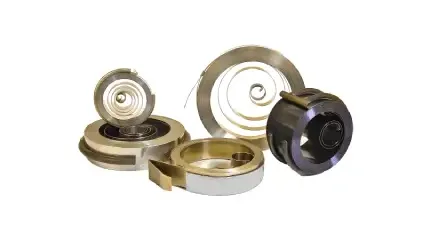
Start with the physical cable
Identify the actual cable construction, outer shape, minimum moving bend requirements and permitted torsion. Include any supplier restrictions for the combined assembly. A cable with the same connector and diameter is not automatically mechanically equivalent.
Show the hub attachment, first wrap, exit and strain relief. These determine local flexing conditions that an external pull test may not reveal.
Identify any rotating electrical boundary
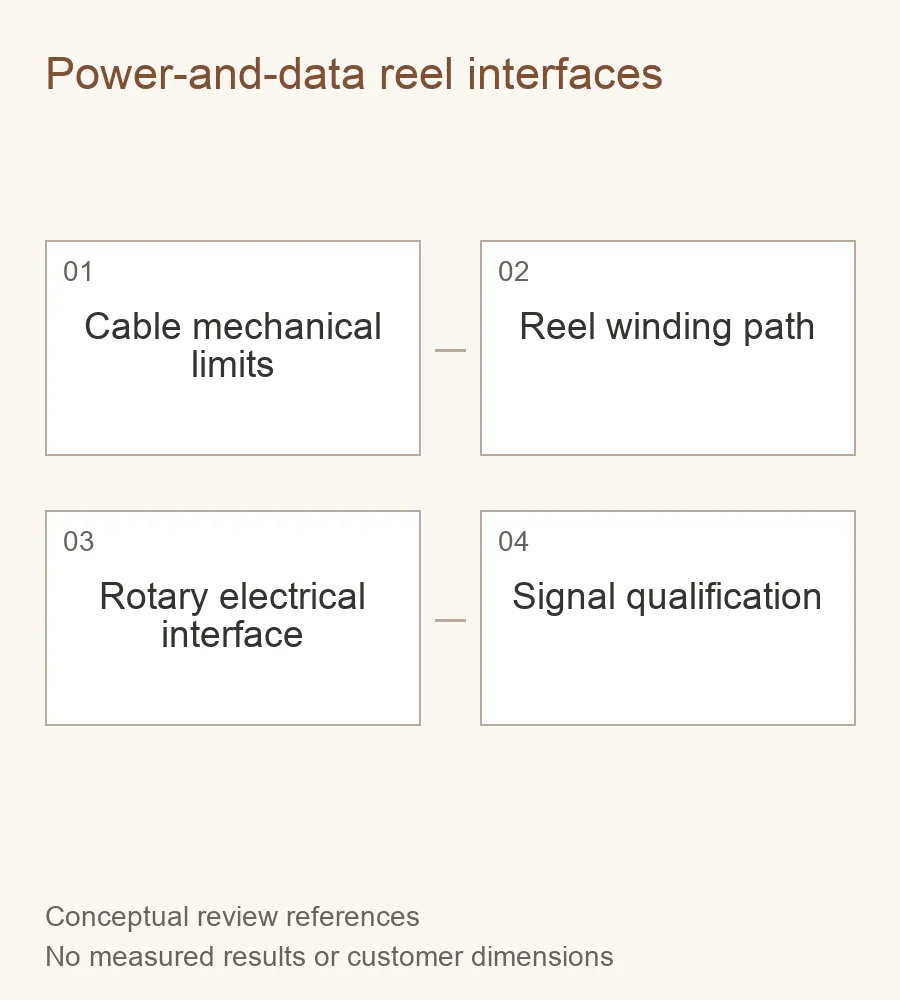
If the design uses a rotary connection, name the component and its responsibilities. The spring supplies mechanical return; it does not establish current capability, grounding, shielding or data performance. Those need the appropriate electrical design and qualification.
Plan mechanical and electrical observations against the same assembly identity and duty sequence. A cable that passes an initial continuity test can still need evaluation after the intended movement and exposure. Do not infer a qualification level from an unrelated reel's catalogue description.
The useful handover includes the cable specification, winding route and the owner of each interface decision. That lets the spring discussion proceed without presenting a mechanical return component as approval of the complete electrical product.
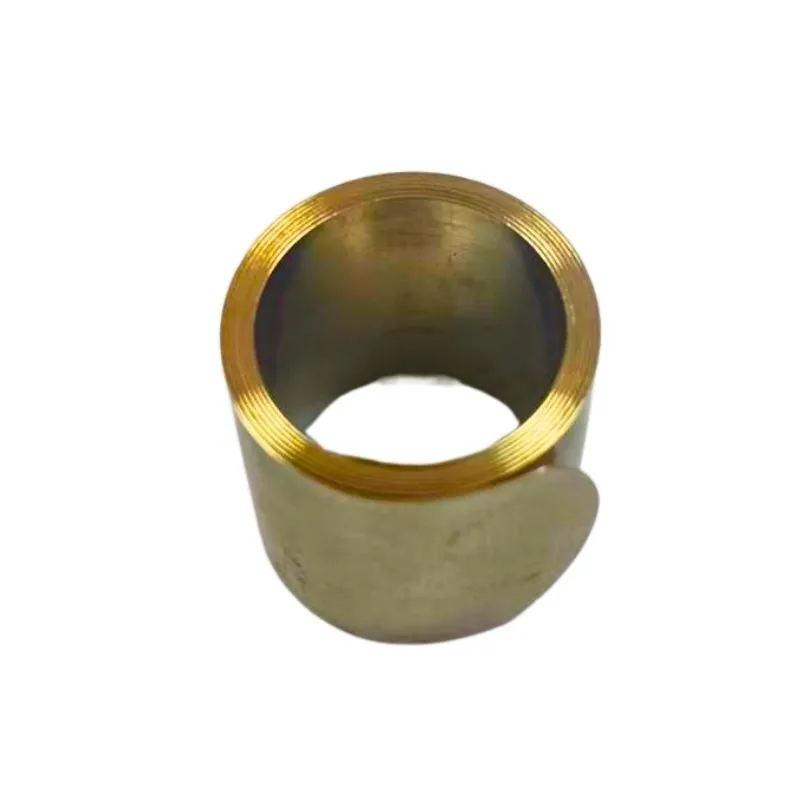
For the broader background, read Cable Reel Inspection with the Actual Cable Installed.
Explore related spring information or discuss this mechanism with a non-confidential description.
Background reference: igus cable and hose layout context. Component documentation does not qualify the complete mechanism.