
A flat cable can fit neatly into a reel while being forced to bend in an unsuitable direction at the hub or exit. Width, thickness and the intended flex direction need to remain visible in the layout; an equivalent round diameter does not describe the same geometry.
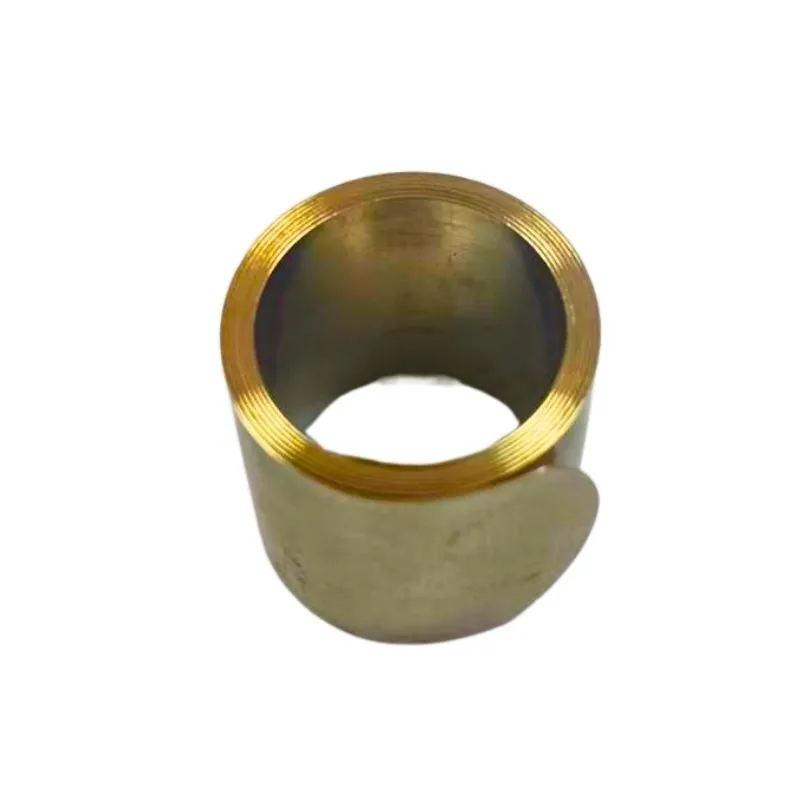
Mark the cable face
Show which face lies against the hub and how the cable leaves the first wrap. Follow that orientation through the exit and toward the moving connection. A twist introduced over a short transition can make the cable fit the opening but create a different flexing condition.
Use the actual cable manufacturer's moving-bend and torsion guidance. A radius acceptable for a static installed bend should not automatically be used for repeated winding.
Check the first wrap and the transition
The hub attachment, protective layer and strain relief can create a locally tighter bend than the visible outer wraps. Inspect the complete path at the smallest effective winding radius, with the final cable and terminations installed.
Also record whether the cable can migrate sideways during winding. Reel width and flange clearance must be evaluated with the cable's real shape and routing; more spring torque can increase contact without correcting alignment.
The spring provides a return contribution, while cable geometry determines how that contribution reaches the moving end. A useful enquiry includes a cross-section of the cable, its approved flex orientation and the hub-to-exit transition. That information is more actionable than a request for a reel that accepts a stated cable width.

For the broader background, read Cable Retraction Minimum Bend Radius at the Hub.
Explore related spring information or discuss this mechanism with a non-confidential description.
Background reference: igus cable bend-radius guidance. Component documentation does not qualify the complete mechanism.