
A panel that lifts before rotating has two motion phases, often with a transition between them. The spring contribution that suits the lift does not automatically suit rotation after the panel clears its guide.
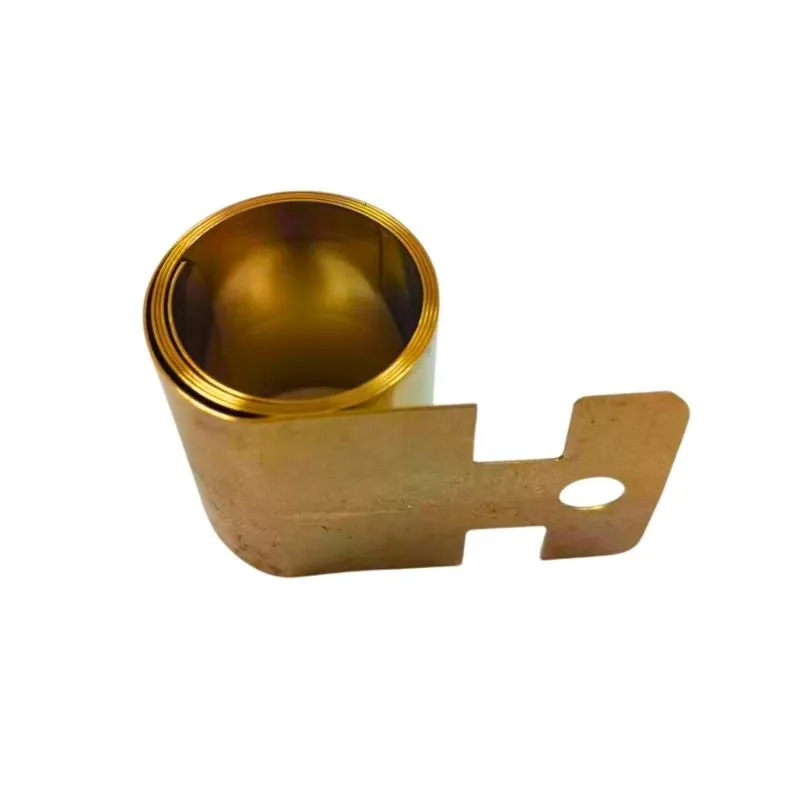
Define when the constraint changes
Show the point at which lifting ends and rotation becomes available. Identify which supports and pivots carry the panel during the transition. A drawing of only the closed and service positions can hide an unresolved intermediate state.
Record how the spring attachment moves through both phases. Its extension, line of action or lever arm can change when the panel begins to rotate.
Give each phase its requirement
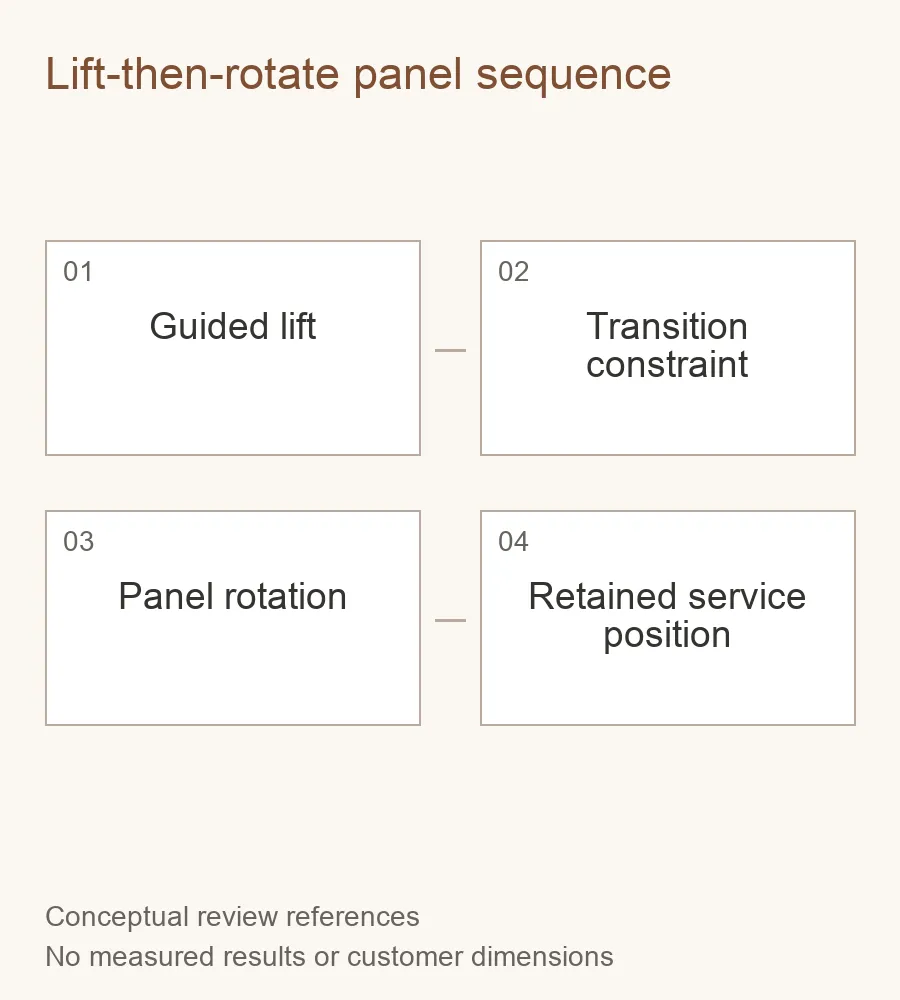
Define lift effort, rotational effort and retained position separately. Include the reverse sequence for closing. A spring can help the initial lift while opposing the desired final movement.
The transition needs its own approved evaluation, with the panel supported and the intended constraints present. Do not remove a guide or restraint to make an otherwise inaccessible rotation appear feasible.
The enquiry should include a simple two-phase motion sketch and the physical condition that permits the change between phases. This lets the spring discussion address the real geometry instead of assuming that the complete operation is either a straight lift or a hinged rotation.
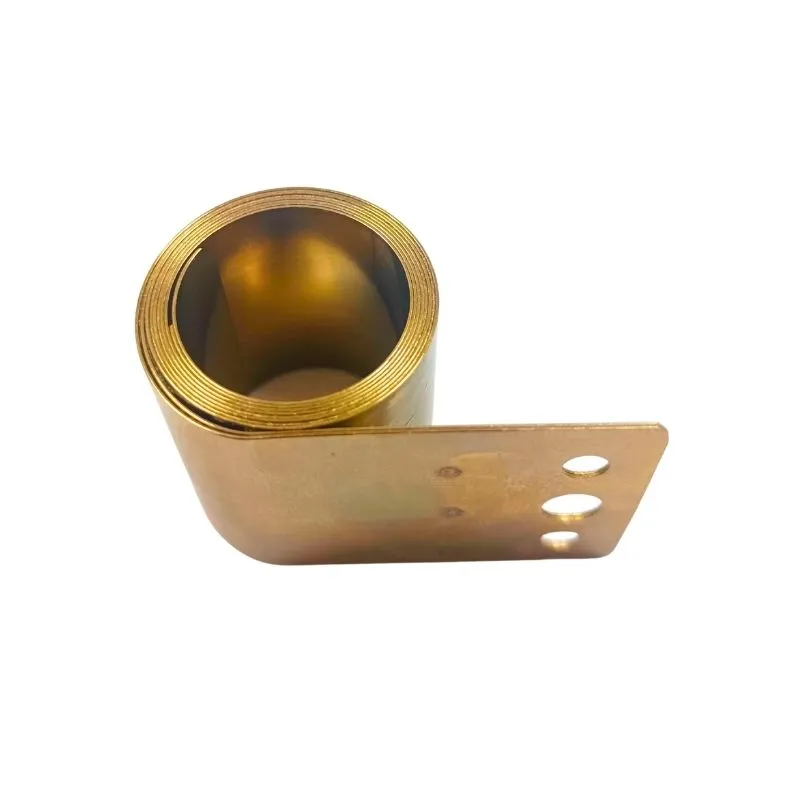
For the broader background, read Constant Torque Springs and Variable Gravity Moments.
Explore related spring information or discuss this mechanism with a non-confidential description.