
A retractable cable ending in a USB-C connector combines several mechanical interfaces. The return spring's pull, the cable's strain relief and the connector's mating requirements should not be represented by one generic allowable force.
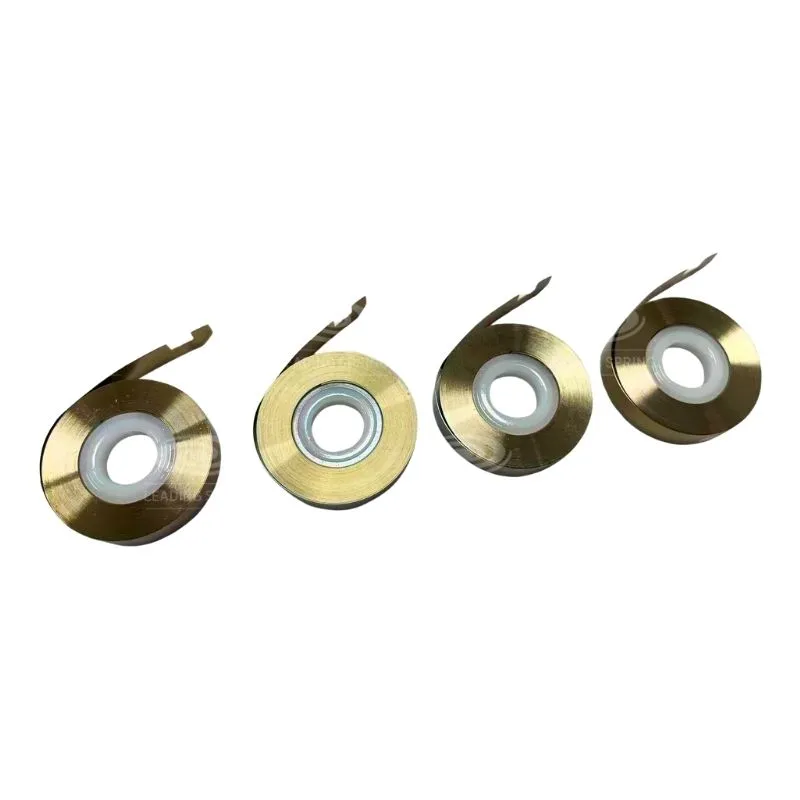
Name the three loads
Distinguish the pull applied to extend the cable, the force involved in mating or withdrawing the connector, and any load remaining while it is connected. The locations and directions can differ even when the user performs them with one hand.
Obtain the relevant connector and cable-assembly requirements from their controlled specifications. A USB-C shape or label does not establish a particular reel's electrical, data or durability capability.
Define the connected state
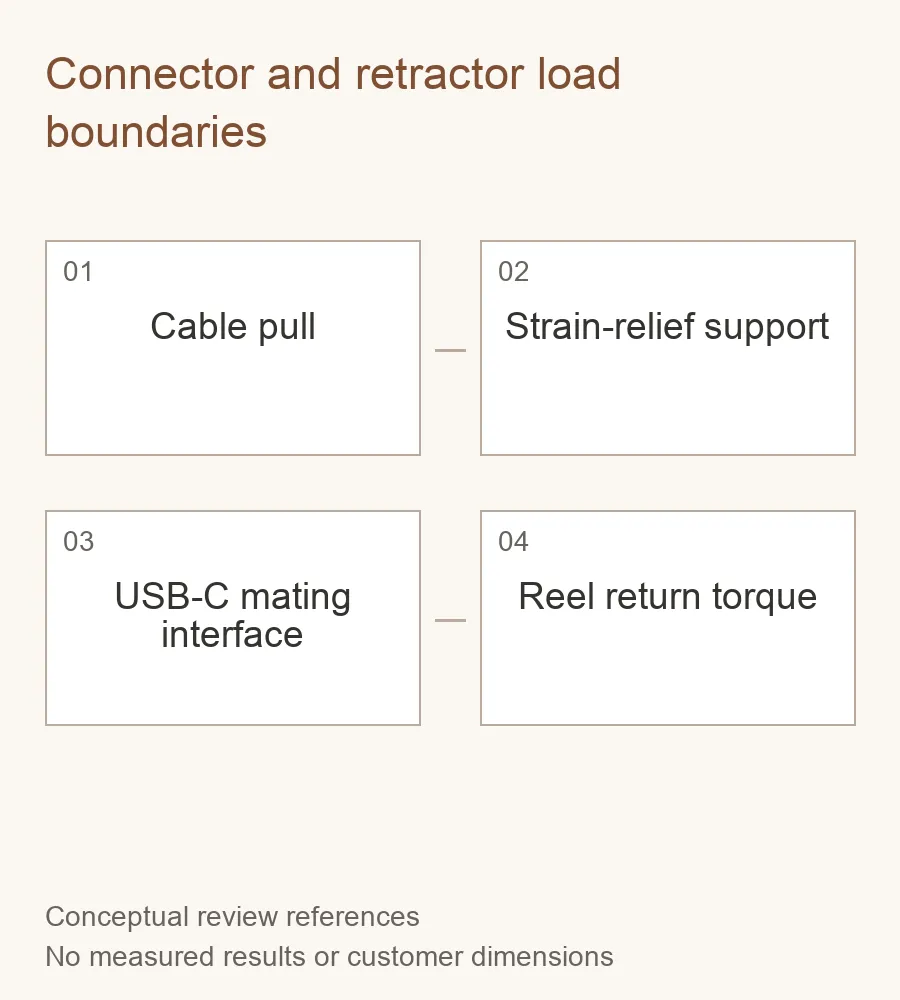
Show how the cable is routed and supported when the device is plugged in. The reel may continue to pull, while the connected device or dock provides a different reaction from the free end.
Check that normal device placement and cable movement remain within the intended interface limits. Do not use successful charging or an initial continuity check as proof of acceptable mechanical loading.
A useful product review keeps extension effort, connected-state loading and connector operation in separate records. This lets the spring contribution be selected without implying acceptance of the complete cable and electrical system.
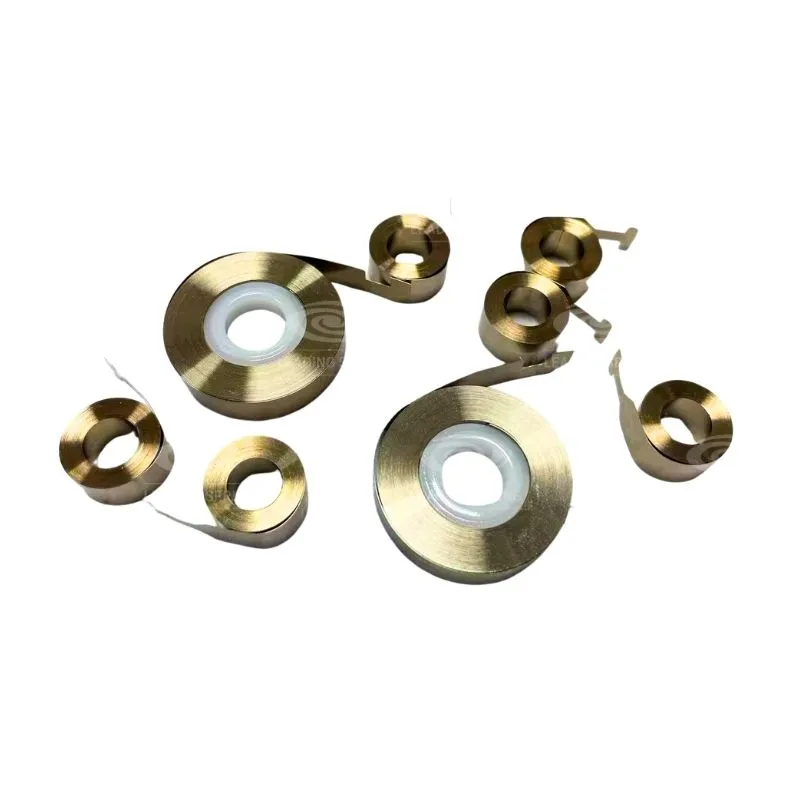
For the broader background, read Cable Reel Connector Strain Relief During Full Return.
Explore related spring information or discuss this mechanism with a non-confidential description.